
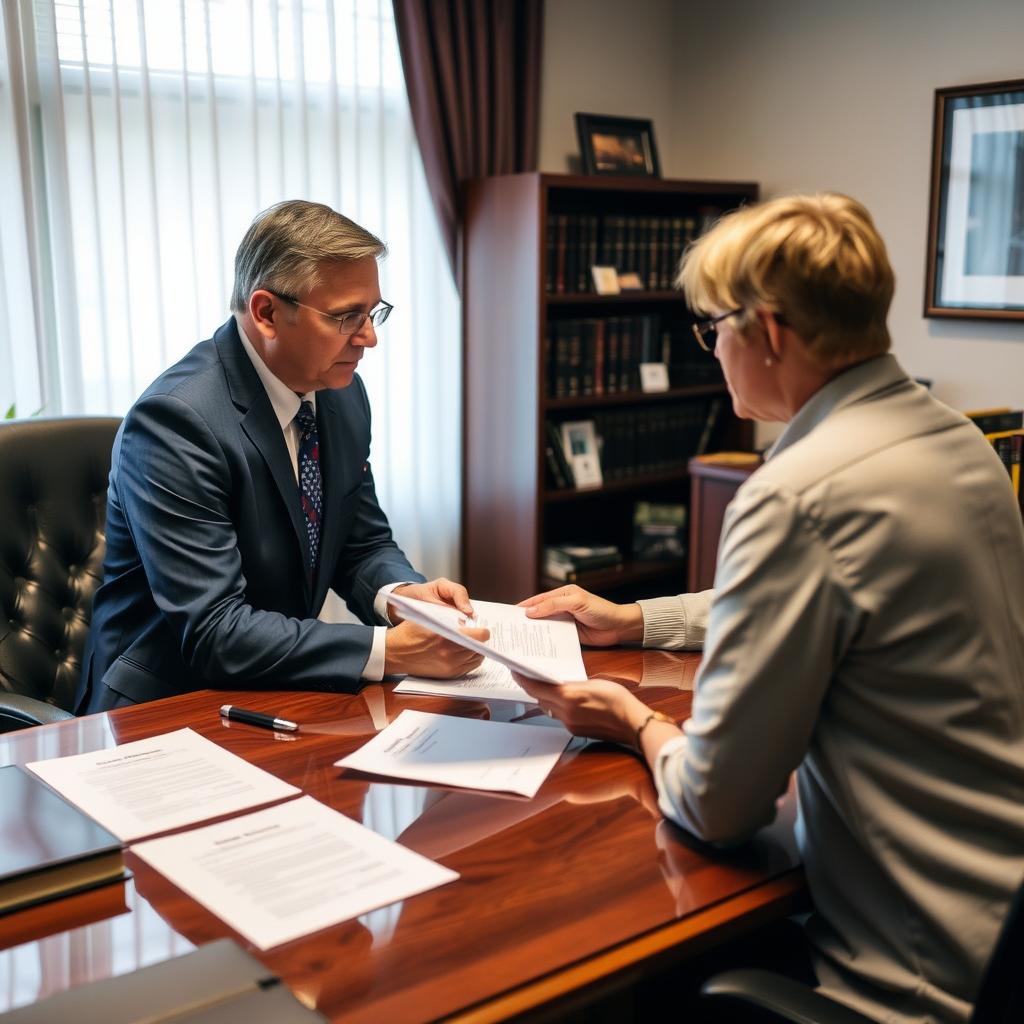
Kinship Adoption Lawyer Roanoke County, VA
Navigating kinship adoption in Roanoke County requires an understanding of Virginia’s adoption statutes and the local court procedures that apply. At Law Offices Of SRIS, P.C., Mr. Sris and his Of Counsel assist clients with kinship adoption matters — the process by which a relative, such as a grandparent, aunt, uncle, or older sibling, legally assumes all parental rights and responsibilities for a child. The firm’s Shenandoah location serves families throughout Roanoke County, including Salem, Vinton, Cave Spring, Hollins, and Catawba, and appears regularly before the Roanoke County Circuit Court and the Juvenile and Domestic Relations District Court. Because kinship adoption permanently alters parent‑child relationships, terminates the rights of the biological parents, and creates new inheritance and custody rights, having experienced legal guidance helps ensure the petition is properly prepared and the child’s best interests are presented to the court. To discuss your situation with Mr. Sris and his Of Counsel, call (888) 437‑7747. Law Offices Of SRIS, P.C. — Advocacy Without Borders.
What Kinship Adoption Means in Roanoke County
Kinship adoption is a legal proceeding that allows a child’s relative to become that child’s parent under Virginia law. In Roanoke County, these cases are filed in the Roanoke County Circuit Court, which has jurisdiction over adoption matters, or, when custody or support issues are present, in the Roanoke County Juvenile and Domestic Relations District Court. The governing law is found in Title 63.2 of the Virginia Code, specifically Chapter 12, which sets out the requirements for consents, home studies, and the investigation that must be completed before an adoption can be granted. The statutory framework balances the rights of the biological parents with the child’s need for a stable, permanent home, and the court must find that the adoption is in the child’s best interests before entering a final order.
Virginia courts approach kinship adoptions with an eye toward maintaining family connections. Because the petitioner is already a relative, certain procedural steps — such as the requirement that the child be placed with the petitioner for a prescribed period — may be satisfied more naturally than in a non‑relative adoption. However, the legal requirements are the same: the court must receive the consent of the biological parents (unless that consent has been waived or terminated on statutory grounds), a home study must be conducted by a licensed child‑placing agency or a local department of social services, and the petitioner must demonstrate the ability to provide a suitable home. Roanoke County’s proximity to the Shenandoah Valley and its position along the I‑81 corridor means that families from neighboring jurisdictions also use the Roanoke County courthouse located at 305 East Main Street in Salem, Virginia, for adoption proceedings. Mr. Sris and his Of Counsel are familiar with the practices of the Twenty‑third Judicial District and help families prepare the required pleadings and supporting documentation.
How Mr. Sris and His Of Counsel Handle Kinship Adoption Cases
Mr. Sris and his Of Counsel begin by reviewing the family’s circumstances to confirm that a kinship adoption is the appropriate legal mechanism. They then draft and file a petition for adoption in the Roanoke County Circuit Court, together with the necessary consents, affidavits, and notices. Because the adoption process also involves a home study and a court‑ordered investigation, the firm coordinates with the assigned social services agency and ensures that all reports are submitted to the court within the applicable time frames set by the judge. If the biological parents’ rights must be terminated — for example, on grounds of abandonment, unfitness, or voluntary consent — the firm prepares and presents that evidence to the court in a separate termination‑of‑parental‑rights hearing when required.
The final hearing is the last step, at which the judge considers the home study, the agency investigation, and any other relevant information before determining whether the adoption is in the child’s best interests. Mr. Sris and his Of Counsel appear with the petitioner at that hearing to present the case and answer the court’s questions. Throughout the process, they remain available to explain each stage, to address concerns about the effect of the adoption on existing custody or inheritance arrangements, and to ensure that the petitioner understands the lifelong legal consequences of the adoption decree. The firm does not guarantee a particular result, but it works methodically to present each petition in the strongest possible light so that the court has all the information it needs to make an informed decision.
About Mr. Sris and His Of Counsel Team
Mr. Sris, Owner and Founder of Law Offices Of SRIS, P.C., has practiced law since 1997 and is admitted in Virginia, Maryland, the District of Columbia, New Jersey, and New York. A former prosecutor, he brings extensive trial experience to family law matters and concentrates his practice on guiding clients through complex legal proceedings, including adoption. Mr. Sris is supported by a team of Of Counsel attorneys who collectively bring over 120 years of combined legal experience to the firm’s family law cases and have contributed to 4,739+ documented firm-wide results. Results may vary.
Each Of Counsel attorney engaged through Excella has substantial litigation or family law background. The firm’s structure allows Mr. Sris to maintain direct involvement in each matter while drawing on the collective knowledge of seasoned practitioners who have handled a broad range of family law and adoption issues in Virginia courts. The firm’s Shenandoah location — 505 N Main St, Suite 103, Woodstock, VA 22664 — serves Roanoke County and the surrounding communities by appointment. Call (888) 437‑7747 to schedule a consultation.
Frequently Asked Questions
What is kinship adoption in Virginia?
Kinship adoption is a legal process that makes a child’s relative the child’s permanent parent under Virginia law. It permanently transfers all parental rights and responsibilities from the biological parents — or from a prior guardian — to the adopting relative. The adoption severs the legal relationship between the child and the biological parents and creates the same rights and duties between the child and the adoptive parent that exist between any parent and child, including inheritance rights and the obligation of support. The Virginia Code chapter that governs adoption is Title 63.2, Chapter 12, and the court must find that the adoption serves the child’s best interests.
Who is eligible to petition for kinship adoption in Roanoke County?
Any adult relative of the child — including a grandparent, aunt, uncle, adult sibling, or cousin — may petition the Roanoke County Circuit Court for adoption. The relative must be a Virginia resident, have the consent of the biological parents (unless consent is waived or terminated), and be able to provide a safe and stable home. The child must also reside in Virginia for at least six months before the petition is filed. A home study and a background investigation are required, and the judge evaluates the relative’s fitness, the quality of the home, and the child’s emotional and physical needs before granting the adoption.
What is the process for kinship adoption in Virginia courts?
The process begins with filing a petition for adoption in the circuit court of the county where the child lives or where the petitioner resides. In Roanoke County, that is the Roanoke County Circuit Court, located at 305 East Main Street in Salem. After filing, the court orders a home study and an investigation by a licensed child‑placing agency. The investigation covers the petitioner’s background, the child’s circumstances, and the biological parents’ situation. If parental rights have not already been terminated, a separate hearing may be necessary. A final adoption hearing is scheduled once all reports are in, and if the judge finds the adoption to be in the child’s best interests, a final order of adoption is entered.
Do I need a lawyer for a kinship adoption in Roanoke County?
Virginia law does not require a petitioner to hire a lawyer for an adoption, but most people retain counsel because the legal and procedural requirements are detailed and mistakes can delay or derail the case. The petition must include specific allegations, the consents and notices must strictly comply with the statute, and the petitioner must meet evidentiary burdens at the termination‑of‑rights and finalization hearings. Having an experienced attorney helps ensure the paperwork is correct, the home‑study process goes smoothly, and the court receives a complete record on which to base its best‑interests determination. To discuss your case, reach Law Offices Of SRIS, P.C. at (888) 437‑7747.
How does a kinship adoption differ from other types of adoption?
Kinship adoption differs from other adoptions primarily because the child already has an existing family relationship with the adoptive parent. A stepparent adoption, for example, involves a spouse adopting the other spouse’s child; a non‑relative adoption places a child with someone with no prior family connection. In a kinship adoption, the court may view the pre‑existing family bond as a factor that supports the child’s stability, but the legal process — including home study, investigation, and court approval — is the same. The Virginia Code does not treat kinship adoptions as a separate category; the same Title 63.2 requirements apply to all adoptions, whether the petitioner is a relative, a stepparent, or an unrelated adult.
What factors do courts consider in kinship adoption cases?
The court examines the child’s best interests as the overriding factor, which includes the child’s age, health, emotional needs, and the ability of the relative to provide a stable home. It also considers the nature and quality of the child’s relationship with the biological parents and with the petitioner, the biological parents’ fitness and willingness to consent, and whether the adoption will disrupt the child’s ties to siblings or extended family. The home‑study report and the social services investigation give the court a professional assessment of the petitioner’s home and parenting capacity. The judge may also consider the child’s preference if the child is of sufficient age and maturity.
Explore family law services in other Virginia communities:
Family Law Lawyer Fairfax County, VA ·
Family Law Lawyer Prince William County, VA ·
Family Law Lawyer Manassas, VA ·
Family Law Lawyer Fairfax City, VA ·
Family Law Lawyer Falls Church, VA
Virginia adoption and court resources:
Virginia Code Title 63.2 (Adoption) ·
Virginia Department of Social Services — Adoption ·
Roanoke County Circuit Court
Attorney advertising. Prior results do not guarantee a similar outcome. Results may vary.
Case results depend on a variety of factors unique to each case.