
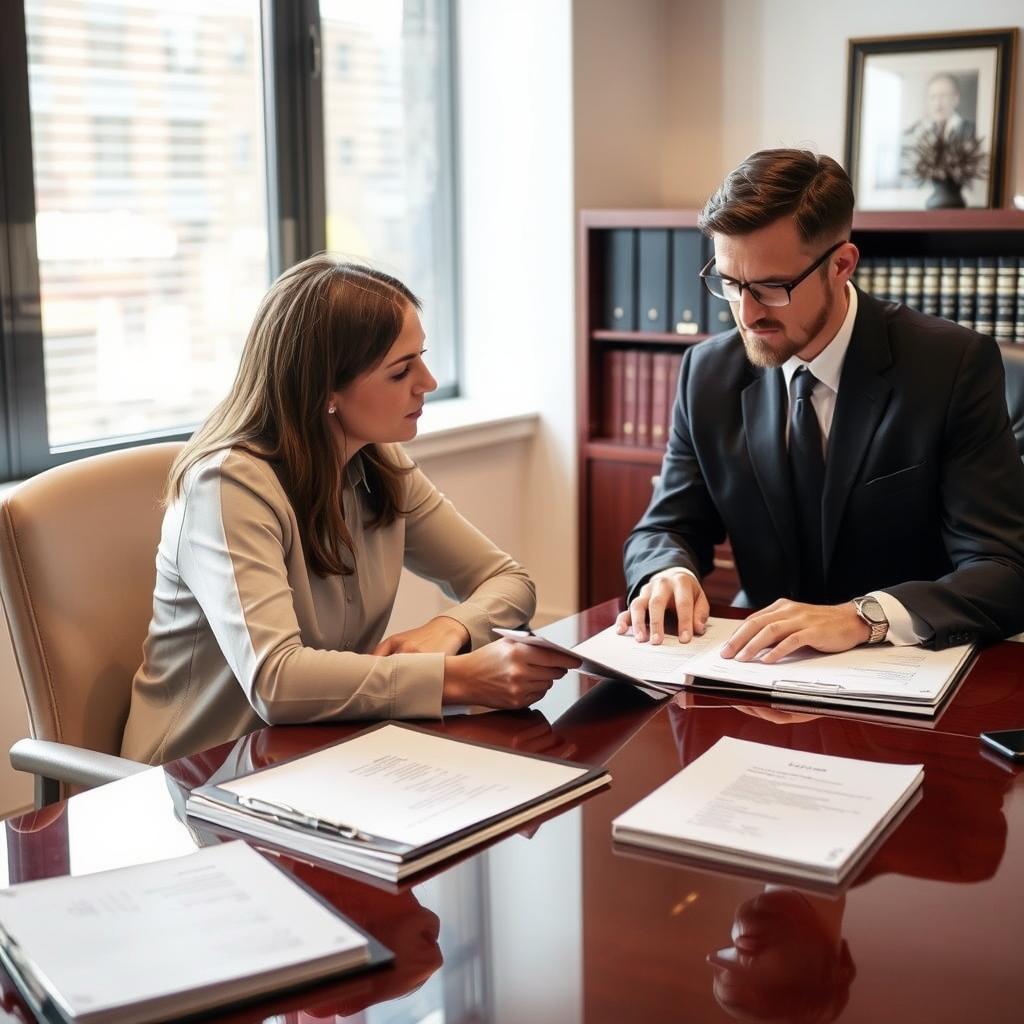
Visitation Lawyer Columbia Heights, DC
For parents in Columbia Heights, DC, visitation—often called parenting time—is governed by the family law framework of the District of Columbia. Disputes over where a child spends weekends, holidays, or summer break can be emotionally charged, and the decisions made in court affect the daily life of every family member. Cases are heard in the Family Division of the DC Superior Court, located at 500 Indiana Avenue NW, just a short trip from Columbia Heights via the Green Line. The court’s primary consideration is the best interests of the child, a standard that examines many factors, including each parent’s relationship with the child, the parents’ ability to cooperate, and any history of domestic concerns. Whether you need to establish an initial parenting time schedule, modify an existing order, or enforce a visitation right that the other parent is ignoring, having a lawyer who knows the local court and its procedures can bring clarity and focus. Law Offices Of SRIS, P.C. serves clients throughout the Washington, D.C. Area, offering guidance on visitation matters from its Arlington location. Mr. Sris, Owner and Founder, and his Of Counsel team concentrate on helping parents protect their time with their children while working through the procedural steps that DC courts require. To request a consultation about your visitation matter in Columbia Heights, reach Law Offices Of SRIS, P.C. at (888) 437-7747. Law Offices Of SRIS, P.C. — Advocacy Without Borders.
What Visitation Means in Columbia Heights, DC
Visitation refers to the time a child spends with a parent who does not have primary physical custody, although many practitioners and courts now use the term “parenting time” to emphasize that the child benefits from meaningful relationships with both parents. In the District of Columbia, the family courts decide visitation under , which directs judges to consider the best interests of the child. The statute lists numerous factors that the court may weigh: the child’s adjustment to home and community, the parents’ willingness to support the child’s relationship with the other parent, the mental and physical health of all parties, the child’s wishes if the child is of sufficient age and maturity, and any evidence of abuse or neglect. The court has broad discretion to craft a visitation schedule that serves the child’s safety and emotional development.
For Columbia Heights residents, the relevant venue is the DC Superior Court Family Division, a unified court that handles all family law matters for the District. The courthouse sits near Judiciary Square, just a few Metro stops from the Columbia Heights station on the Green Line. This proximity means that hearings and mediation sessions are readily accessible. The Family Division employs a case‑management approach designed to move matters forward efficiently, and litigants are often encouraged to attend mediation through the court’s Multi‑Door Dispute Resolution program. When parents cannot agree on a visitation arrangement, the matter proceeds to a hearing where the judge weighs the evidence presented and makes a determination based on the trusted‑interests factors. Understanding how the court applies those factors is a central part of building an effective case, and local counsel who appear regularly in the DC Superior Court can provide valuable insight into what the judges expect to see.
How Mr. Sris and His Of Counsel Handle Visitation Cases
Every visitation dispute is different, and the approach must be tailored to the family’s circumstances. Mr. Sris and his Of Counsel team begin by listening: they learn the history of the parents’ relationship, the child’s current living situation, and the specific concerns that have brought the matter to court. From there, they outline possible paths—negotiating a voluntary parenting agreement, participating in court‑sponsored mediation, or, when necessary, litigating the issue before a judge. Many visitation matters resolve through negotiation, and the firm works to craft a written agreement that is clear, practical, and able to minimize future conflict. When litigation is unavoidable, Mr. Sris and his Of Counsel prepare the case thoroughly, gathering school records, communication logs, witness testimony, and any other evidence that helps paint a complete picture of the child’s needs.
Throughout the process, the firm keeps the trusted‑interests standard at the center of the arguments. The attorneys explain each step in plain English and help clients understand what to expect from the Family Division calendar. The firm’s background in cross‑jurisdictional practice is especially helpful when visitation disputes involve parents who live in different states or when international factors are present. Mr. Sris and his Of Counsel appear regularly in the DC Superior Court and are familiar with the judges, the procedural rhythms, and the local rules that can affect a visitation case. The firm works toward a resolution that respects the parent‑child bond while honoring the court’s duty to protect the child’s welfare.
About Mr. Sris and His Of Counsel Team
Mr. Sris, Owner and Founder of Law Offices Of SRIS, P.C., has been practicing law since founding the firm in 1997. A former prosecutor, he brings a realistic understanding of how the legal system works from both sides of the courtroom. He is admitted to practice in Virginia, Maryland, the District of Columbia, New Jersey, and New York. Mr. Sris has also testified before the Virginia House Courts of Justice Committee in support of 2019 HB 635 (chief patron Del. David Bulova). In addition to his courtroom experience, his background in accounting and information systems is an asset in matters that involve financial analysis or complex documentation. Mr. Sris and his Of Counsel bring over 120 years of combined legal experience and 4,739+ documented firm-wide results, drawing on a breadth of knowledge that spans family law, criminal defense, and civil litigation. Results may vary.
Every attorney working on family law cases at the firm serves in an Of Counsel capacity, which means each lawyer brings substantial individual experience—well over a decade in practice—to the team. This structure allows the firm to apply deep resources to a matter while maintaining a direct line of communication between the client and the lead attorney. For visitation disputes in Columbia Heights, Mr. Sris works with his Of Counsel to handle everything from emergency motions to detailed parenting‑plan drafting.
Frequently Asked Questions
How is visitation determined in Washington, D.C.?
Visitation is determined based on the best interests of the child, with the DC Superior Court considering statutory factors such as the parents’ relationship with the child and the child’s adjustment to home and community. The judge has broad discretion and may weigh factors like the parents’ mental and physical health, the child’s wishes if the child is old enough to express a reasoned preference, and any history of domestic abuse or neglect. The court can order a schedule that ranges from supervised visitation to a standard alternating-weekend arrangement, always with the goal of protecting the child’s safety and emotional well-being.
Can a judge deny a parent visitation entirely?
Yes, a DC judge can deny or severely restrict visitation if the court finds that spending time with the parent would harm the child—for example, due to credible evidence of abuse, substance addiction, or a pattern of endangerment. The court may order supervised visitation as an alternative so the parent can maintain contact in a safe environment. If the parent successfully addresses the concerns through treatment or other steps, the order can later be modified. Denial is not taken lightly, and the parent seeking to limit the other parent’s time carries a heavy burden of proof.
What can I do if the other parent violates the visitation order?
If the other parent refuses to follow a court‑ordered visitation schedule, you can file a motion for enforcement with the DC Superior Court Family Division. The court can impose sanctions, hold the non‑compliant parent in contempt, and order makeup parenting time. In some cases, persistent violations may provide grounds to modify the custody or visitation order. It is important to document each missed visit, keep a log of communications, and consult with an attorney before filing any motion to ensure the strongest possible presentation.
Do I need a lawyer for a visitation dispute in Columbia Heights?
You are not legally required to have a lawyer, but an experienced family law attorney can help you navigate DC’s procedural rules, gather necessary evidence, and present your position effectively. A lawyer who regularly appears before the DC Superior Court understands what the judges expect and can anticipate the other side’s arguments. When a visitation case involves complicated factors—such as interstate parenting, substance‑abuse allegations, or a need for supervised time—professional guidance can make a significant difference in the outcome.
What is the difference between legal custody and visitation in DC?
Legal custody refers to the right to make major life decisions for the child—education, health care, religious upbringing—while visitation, or parenting time, governs the physical schedule of when the child stays with each parent. A parent can have joint legal custody but limited physical time with the child, or vice versa. The two concepts are decided independently, although the court considers the overall best‑interests analysis when setting both legal custody and the parenting‑time schedule.
How long does a visitation case take in the District of Columbia?
The time to resolve a visitation case varies depending on whether the parents agree, the court’s calendar, and the complexity of the family’s situation. An uncontested modification that both parents sign can be submitted and approved within a matter of weeks, while a contested dispute that requires a hearing, discovery, and possible expert testimony can take many months. DC Superior Court judges manage their dockets actively, and the court encourages mediation to help parties reach a resolution more quickly. For an estimate based on your particular circumstances, speak with an attorney familiar with the Family Division’s current scheduling.
For help with your visitation matter, you may also find the following areas useful: Family Law Lawyer Washington, D.C., Family Law Lawyer Georgetown DC, Family Law Lawyer Spring Valley DC, Family Law Lawyer Cleveland Park DC.
External resources: the District of Columbia Code, Title 16 (Domestic Relations) provides the statutory framework for visitation matters. The DC Courts website offers information on the Family Division, forms, and mediation services.
Attorney advertising. Prior results do not guarantee a similar outcome. Results may vary.
Case results depend on a variety of factors unique to each case.