
Joint Custody Lawyer Stafford County, VA
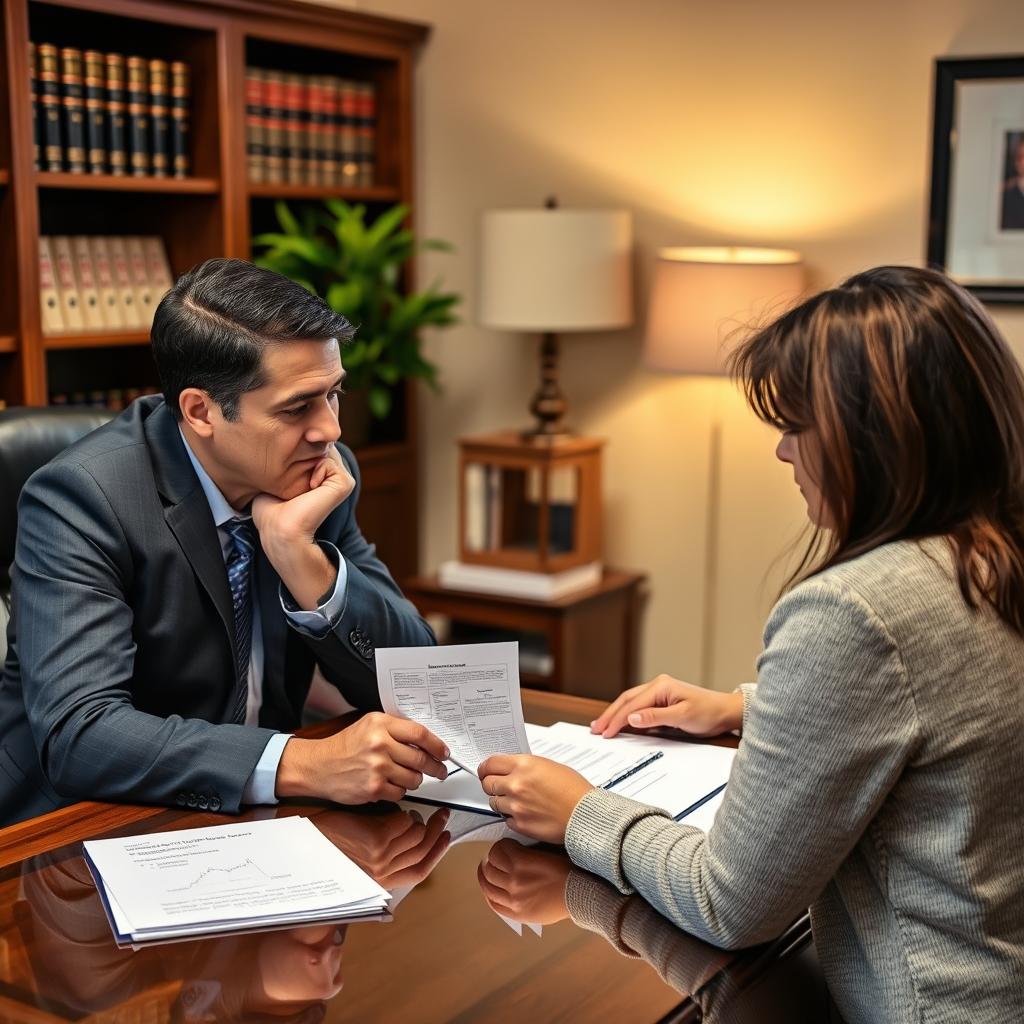
When Tom and Maria separated, they never imagined a holiday schedule would end up in court. Living in Aquia Harbour, they had tried to share time with their two children equally for over a year. But as tension grew over a summer vacation dispute, Tom found himself sitting across from a judge in the Stafford County Juvenile and Domestic Relations Court. He needed clear guidance on joint custody—how it works, what the court considers, and whether he could keep a meaningful role in his children’s daily lives. If you are a parent facing a similar crossroads in Stafford County, understanding joint custody and having experienced legal counsel can make a critical difference. Law Offices Of SRIS, P.C. has represented parents in Stafford County custody matters since 1997. Mr. Sris and his Of Counsel help parents pursue custody arrangements that serve the children’s best interests while protecting each parent’s relationship. To discuss your situation, call (888) 437-7747. Law Offices Of SRIS, P.C. – Advocacy Without Borders.
Joint Custody in Stafford County: Strategy Options
Parents who seek joint custody in Virginia are asking the court to recognize that both of them should remain meaningfully involved in raising their child. The Stafford County Juvenile and Domestic Relations Court—or, if the case is part of a divorce, the Stafford County Circuit Court—applies Virginia’s statutory framework to decide custody. Under Va. Code § 20-124.3, the court weighs ten best-interest factors, including each parent’s role in the child’s life, the child’s relationship with each parent, and any history of family abuse. Joint custody does not automatically mean a 50/50 schedule; it means both parents share decision-making responsibility (joint legal custody) and, where appropriate, physical custody. Mr. Sris and his Of Counsel work with parents to build a factual record that supports the type of joint custody that fits their family’s circumstances.
One strategic decision is whether to pursue joint legal custody, joint physical custody, or both. Joint legal custody gives each parent a voice in important decisions about education, healthcare, and religion. Joint physical custody addresses where the child resides and can involve detailed parenting time plans. In Stafford County, many parents begin by attempting to negotiate a parenting plan through mediation or through their lawyers before asking a judge to decide. A thoroughly prepared plan, grounded in the child’s routine and the parents’ work schedules, can give a judge confidence that a joint arrangement is workable. When parents present a unified front—even if they disagree on other matters—the court is more likely to approve a joint custody order. Law Offices Of SRIS, P.C. helps parents assess whether negotiation, mediation, or litigation is the trusted path forward in their specific situation.
What to Expect in a Joint Custody Case
Filing for custody in Stafford County typically begins with a petition in the Juvenile and Domestic Relations District Court. Both parents will be ordered to appear for a preliminary hearing. At that hearing, the court may enter a temporary custody order if immediate arrangements are needed. The court then schedules a final evidentiary hearing, during which each parent can present witness testimony, documents, and other evidence addressing the trusted-interest factors. Parents should be prepared to discuss the child’s daily routine, school performance, medical needs, and each parent’s involvement in caregiving. The court may appoint a guardian ad litem to represent the child’s interests. The timeline varies depending on the court’s calendar and the complexity of the issues. Parents with counsel often move through the process more efficiently because their attorneys can file proper pleadings, manage discovery, and negotiate interim parenting schedules.
It is important to understand that Virginia courts do not presume that joint custody is the default result. The judge must be persuaded that a joint arrangement serves the child’s best interests. For that reason, preparation is essential. Parents are encouraged to document their involvement in the child’s life, maintain consistent communication with the other parent, and avoid conduct that could be perceived as interfering with the other parent’s relationship. Mr. Sris and his Of Counsel guide parents through each procedural step, from filing the initial petition through the final order, so that they can present their strong case.
How Virginia Courts Decide Joint Custody
Virginia law requires the court to consider ten statutory factors when determining custody. Those factors include the age and physical and mental condition of the child, the age and condition of each parent, the existing relationship between the child and each parent, the child’s needs, the role each parent has played in the child’s upbringing, each parent’s willingness to support the child’s contact with the other parent, and any history of family abuse. The court also considers any other factor it deems relevant. Joint custody is typically ordered only when the evidence shows that both parents are capable of cooperating and that the child will benefit from sustained contact with both. The court will weigh any concerns about substance abuse, domestic violence, or a parent’s unwillingness to foster a relationship with the other parent heavily.
Because Virginia is an equitable distribution state for property matters, custody and property are handled separately, but the outcome of a custody case can influence a divorce settlement. A parent who demonstrates a history of active caregiving and cooperation often stands on stronger ground in seeking joint custody. Mr. Sris works with parents to present the evidence that matters most under Virginia’s best-interest standard, drawing on over two decades of experience with family law matters in Stafford County.
About Mr. Sris and His Of Counsel Team
Mr. Sris, Owner and Founder of Law Offices Of SRIS, P.C., has practiced in Virginia since 1997. A former prosecutor, he understands courtroom dynamics and how to present a persuasive case. Mr. Sris testified before the Virginia House Courts of Justice Committee in support of 2019 HB 635 (chief patron Del. David Bulova). He is joined by a team of Of Counsel attorneys who bring additional experience in family law, criminal defense, and litigation. Together, Mr. Sris and his Of Counsel bring over 120 years of combined legal experience, supported by over 4,739 documented firm-wide results. Results may vary.
Parents working with the firm receive coordinated strategizing, thorough preparation, and clear communication at every stage. The firm’s Fairfax Location serves clients throughout Stafford County. Consultations are available by appointment; call (888) 437-7747 to schedule. Mr. Sris is admitted in Virginia, Maryland, the District of Columbia, New Jersey, and New York.
Frequently Asked Questions
What does joint custody mean in Virginia?
Joint custody in Virginia means both parents share responsibility for making decisions about the child’s upbringing, and in many cases, both parents have significant parenting time. Joint legal custody gives each parent equal authority to participate in major decisions concerning the child’s education, healthcare, and religious training. Joint physical custody means the child spends substantial time with each parent, though not necessarily equal time. A court order will specify how decisions are made and how parenting time is divided. The court’s primary guide is what serves the best interests of the child under Va. Code § 20-124.3.
How does a parent ask for joint custody in Stafford County?
A parent asking for joint custody in Stafford County begins by filing a petition with the Stafford County Juvenile and Domestic Relations District Court, or as part of a divorce complaint in Circuit Court. The petition should outline the relief requested—whether joint legal custody, joint physical custody, or both—and state the facts supporting why joint custody is in the child’s best interests. Once filed, the court schedules a hearing. Parents often present a proposed parenting plan that shows a detailed schedule and decision-making framework. Having an attorney prepare the petition and supporting documents helps ensure all statutory requirements are met. For a consultation about your situation, call (888) 437-7747.
What factors does a Stafford County judge consider in custody decisions?
A Stafford County judge considers the ten best-interest factors listed in Va. Code § 20-124.3, including each parent’s relationship with the child, the child’s needs, and any history of family abuse. The court also looks at each parent’s willingness to support the child’s relationship with the other parent and the role each parent has played in the child’s life. No single factor automatically controls; the judge weighs them all to reach a decision that serves the child’s overall well-being. Parents can present evidence on each factor through testimony, school records, medical records, and other documents. While the law does not require equal time, a parent who has been actively involved in caregiving may be better positioned to argue for joint physical custody.
Can joint custody work when parents do not get along?
Joint custody can work even when parents have conflicts, but the court will examine whether the parents can cooperate enough to make joint decision-making possible. Virginia courts do not require a perfect relationship, but they do look at whether each parent is willing to support the child’s relationship with the other parent. A history of hostility or one parent’s attempts to alienate the child from the other can weigh against a joint custody award. Parents can use detailed parenting plans to minimize face-to-face conflict and set clear rules for communication. Mediation is often recommended before trial to help parents resolve differences without a contested hearing. For help exploring your options, contact Law Offices Of SRIS, P.C. at (888) 437-7747.
Does joint custody affect child support?
Yes, joint custody can affect child support because Virginia’s child support guidelines consider the amount of time each parent spends with the child. When both parents share physical custody, the guideline calculation may result in a different support obligation than a sole-custody arrangement would. The court starts with a basic child support obligation based on the parents’ combined gross income and then adjusts for the parenting time split, health insurance costs, and work-related child care expenses. A child support order can be separate from the custody order, and either parent may request a modification if circumstances change. It is important to have accurate income information and a clear parenting time schedule when calculating support.
Consultation and Next Steps
If you are seeking joint custody in Stafford County, you do not have to go through the process without informed guidance. Mr. Sris and his Of Counsel have helped parents in Stafford County resolve custody disputes for decades. Call (888) 437-7747 to request a consultation. The firm’s Fairfax Location serves clients at the Stafford County Juvenile and Domestic Relations District Court and the Stafford County Circuit Court, located at 1300 Courthouse Road, Stafford, VA 22554. Consultations are available by appointment, and the firm’s phones are answered 24 hours a day.
Related pages:
Fairfax County Family Law ·
Prince William County Family Law ·
Fauquier County Family Law ·
Loudoun County Family Law ·
Arlington County Family Law
For a comprehensive statutory analysis, visit our main resource: Family law at Law Offices Of SRIS, P.C.
Attorney advertising. Prior results do not guarantee a similar outcome. Results may vary. Case results depend on a variety of factors unique to each case.