
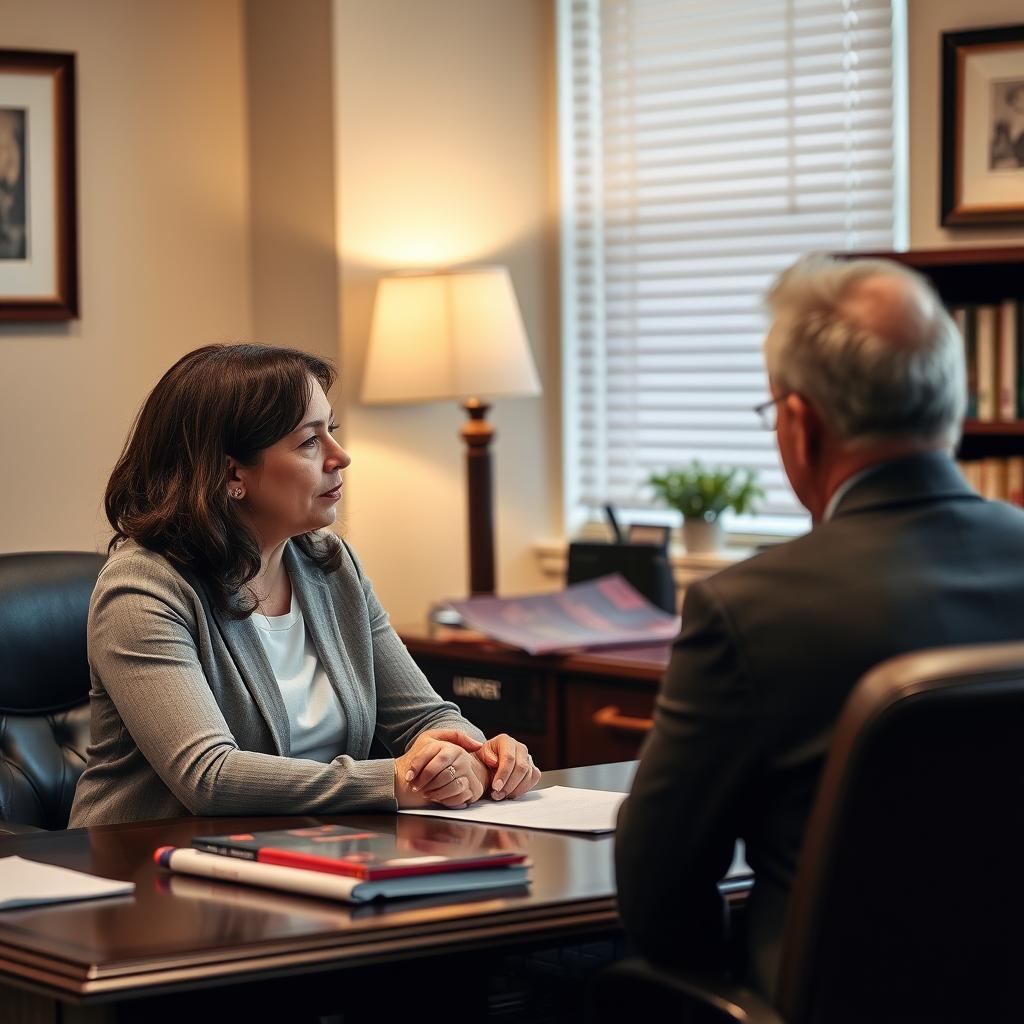
Guardianship Lawyer Augusta County, VA
When a family member can no longer manage personal or financial decisions because of age, injury, or incapacity, a guardianship may become necessary. In Augusta County, Virginia, guardianship proceedings are heard in the Augusta County Circuit Court and the Augusta County Juvenile and Domestic Relations District Court. Law Offices Of SRIS, P.C. represents clients throughout the Shenandoah Valley, including Staunton, Waynesboro, Fishersville, Stuarts Draft, Verona, and Churchville, in matters of adult and minor guardianship. Mr. Sris and his Of Counsel team bring extensive experience in family law and guardianship practice to each matter. Reach our firm at (888) 437-7747 to request a consultation. Law Offices Of SRIS, P.C. – Advocacy Without Borders.
Understanding Guardianship in Augusta County
Virginia guardianship law is codified under Va. Code § 64.2-2000 et seq. A guardianship is a court-ordered relationship in which one person (the guardian) is authorized to make decisions for another person (the incapacitated person or minor) who cannot make those decisions independently. In Virginia, the court may appoint a guardian of the person (responsible for personal and medical decisions) and a conservator of the estate (responsible for financial and property matters). These roles can be held by the same individual or by different individuals, depending on the circumstances.
In Augusta County, adult guardianship petitions are filed in the Circuit Court at 6 East Johnson Street, 2nd Floor, Staunton, VA 24401. Minor guardianship matters – typically when a child’s parents are deceased, absent, or unable to care for the child – are heard in the Juvenile and Domestic Relations District Court. The court assesses evidence of incapacity or need, including medical reports and testimony, before granting a guardianship. Because the proceeding can affect fundamental rights, having an experienced attorney guide you through the process is critical.
The Guardianship Process Step by Step
The guardianship process in Virginia follows a series of defined steps. First, the petitioner files a petition with the circuit court or juvenile court, along with a filing fee. The petition must identify the alleged incapacitated person or minor, state the reasons guardianship is sought, and propose a suitable guardian. For adult guardianships, a physician’s affidavit or a report from a licensed professional describing the incapacity is required. The court then reviews the petition and may appoint a guardian ad litem to investigate the circumstances and report back to the court.
After the guardian ad litem submits a report, the court schedules a hearing. At the hearing, the petitioner presents evidence, including medical records and testimony from family members, caregivers, or medical providers. The proposed ward has the right to attend, to be represented by counsel, and to contest the petition. The judge examines all evidence and determines whether the evidence supports a finding of incapacity and the need for a guardian. If the court grants the guardianship, it enters an order outlining the guardian’s specific powers and duties. The order may be full or limited, depending on the ward’s capabilities.
Ongoing requirements apply. The guardian must file an initial inventory within four months of appointment and submit annual reports to the local Department of Social Services. These reports detail the ward’s residence, health, and any significant decisions made. The court retains jurisdiction to modify or terminate the guardianship if the ward’s condition changes. A guardian who fails to comply with reporting duties may be removed.
How Mr. Sris and His Of Counsel Handle Guardianship Cases
Mr. Sris and his Of Counsel approach each guardianship matter with a focus on the best interests of the person who needs protection. The process begins with a thorough review of the family situation: the circumstances requiring guardianship, the availability of suitable guardians, and any less restrictive alternatives that might be available under Virginia law. The team prepares the petition, collects supporting documentation, and represents the petitioner at all court hearings.
Because guardianship proceedings are fact-intensive, Mr. Sris and his Of Counsel work closely with medical professionals, social workers, and family members to present a complete picture to the court. They also handle contested guardianship matters, including disputes among family members over who should serve as guardian or whether a guardianship is necessary at all. The goal in every case is to secure an arrangement that safeguards the vulnerable person while respecting family dynamics and legal rights.
About Mr. Sris and His Of Counsel Team
Mr. Sris is the Owner and Founder of Law Offices Of SRIS, P.C. and has practiced family law since the firm’s founding in 1997. He is admitted in Virginia, Maryland, the District of Columbia, New Jersey, and New York, and his experience includes both guardianship and broader family law matters. Mr. Sris testified before the Virginia House Courts of Justice Committee in support of 2019 HB 635 (chief patron Del. David Bulova).
Working alongside Mr. Sris, the firm’s Of Counsel attorneys bring backgrounds that include former prosecutors and former law enforcement professionals, providing a comprehensive understanding of legal and investigative matters. Together, they represent clients in Augusta County and across Virginia’s Shenandoah Valley, focusing on practical solutions and clear guidance through the guardianship process. Mr. Sris and his Of Counsel have documented case results in Augusta County. Results may vary.
Frequently Asked Questions
What is a guardianship in Virginia?
A guardianship is a court-appointed legal relationship in which a guardian is given authority to make personal, medical, and residential decisions for a minor or an incapacitated adult. In Virginia, a guardianship may be full or limited, and the court tailors the guardian’s powers to the specific needs of the individual. The process involves filing a petition, providing evidence of incapacity or need, and a hearing. The court’s primary consideration is the best interests of the person requiring protection.
How does the court decide whether to appoint a guardian in Augusta County?
The court reviews medical evidence, testimony, and reports from a guardian ad litem (if appointed) to determine whether the person lacks the capacity to make decisions and needs a guardian. For adults, the court applies the standard in Va. Code § 64.2-2000 and considers less restrictive alternatives. For minors, the court focuses on the child’s welfare and the fitness of the proposed guardian. The Augusta County Circuit Court or Juvenile and Domestic Relations District Court makes the final determination.
What is the difference between a guardian and a conservator in Virginia?
A guardian manages personal and healthcare decisions, while a conservator manages property and financial affairs. The same person may serve in both roles, but the court makes separate findings for each appointment. A guardianship does not automatically include control over finances; a separate conservatorship petition may be necessary if the incapacitated person has substantial assets or income.
Can a guardianship be terminated or modified?
Yes, a guardianship can be terminated if the protected person regains capacity or the circumstances that made the guardianship necessary no longer exist. The court may also modify the guardianship’s scope if the person’s needs change. A petition to terminate or modify requires evidence that the person’s condition has improved or that the guardian is no longer suitable. The court holds a hearing and may appoint a new guardian ad litem to investigate.
Do I need a lawyer for a guardianship proceeding in Augusta County?
While you are not legally required to have a lawyer, guardianship proceedings involve complex legal standards and significant consequences for the protected person and the family. An attorney can ensure the petition is properly filed, the evidence is sufficient, and the hearing is prepared. For contested guardianships, legal representation is particularly important to protect your interests and the interests of the person who needs care.
What should I bring to an initial consultation about a guardianship?
Bring any existing legal documents such as powers of attorney, advance medical directives, or prior court orders involving the person needing protection. Also bring medical records or evaluations that describe the person’s condition, a list of assets and income sources, and contact information for family members and care providers. This information helps the attorney assess the situation and explain what steps will be needed.
Related pages:
Clarke County family law,
Shenandoah County family law,
Frederick County family law,
Warren County family law,
Rockingham County family law,
Virginia family law overview
Attorney advertising. Prior results do not guarantee a similar outcome. Results may vary.
Case results depend on a variety of factors unique to each case.