
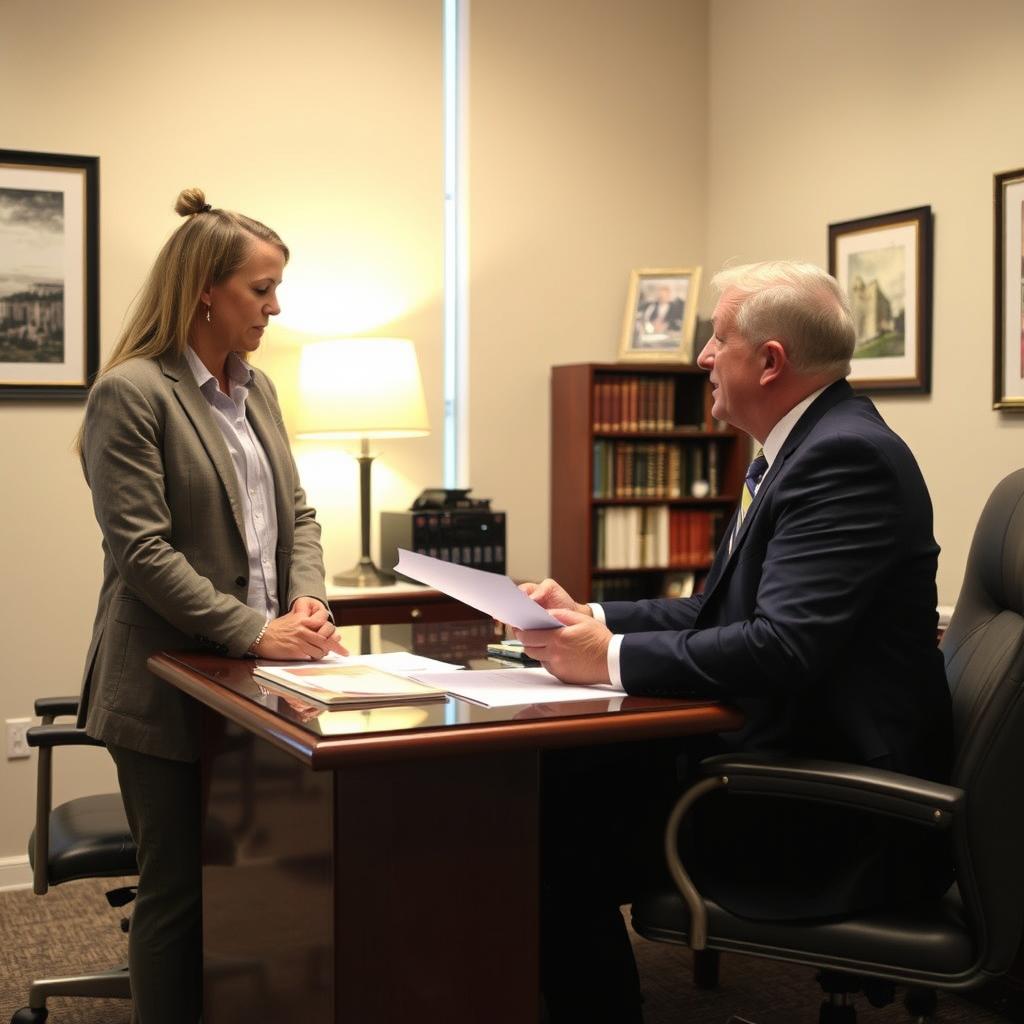
Visitation Lawyer Hamilton County, NY
Visitation matters in Hamilton County involve the legal right of a parent or other interested party to spend time with a child when the child does not live with them. These cases are heard in the Hamilton County Family Court, which handles custody, visitation, child support, and related matters for Lake Pleasant, Indian Lake, Speculator, Inlet, Long Lake, Hope, Wells, Blue Mountain Lake, and the surrounding Adirondack communities. Disputes can arise after a separation, divorce, or paternity determination, and the court applies the “best interests of the child” standard to craft an order that protects the child’s welfare. Whether you are a parent seeking to establish a regular schedule, a grandparent looking for access, or a party trying to enforce an existing order, understanding how the Hamilton County court approaches visitation is critical. Mr. Sris, Owner and Founder of Law Offices Of SRIS, P.C., and his Of Counsel team bring extensive combined legal experience to visitation and family law matters. They appear on behalf of clients in Hamilton County and across New York. To request a consultation about a visitation issue, reach Law Offices Of SRIS, P.C. at (888) 437-7747. Law Offices Of SRIS, P.C. – Advocacy Without Borders.
What Visitation Matters Mean in Hamilton County
In Hamilton County, visitation is part of a broader family law framework governed by New York’s Domestic Relations Law and the Family Court Act. The county’s small population and close-knit Adirondack communities mean that contested visitation disputes often involve families who are deeply rooted in the area, with extended family members living nearby. The Hamilton County Family Court sits in Lake Pleasant and exercises jurisdiction over visitation petitions filed by parents, grandparents, and others with a genuine and substantial interest in the child’s welfare. When a parent has been denied meaningful time with a child, or when a custody order does not provide a clear visitation schedule, a petition can be filed to establish or modify visitation.
The court evaluates visitation requests by considering what arrangement will serve the child’s best interests, weighing factors such as the child’s relationship with the petitioner, the child’s age and needs, the stability of the home environment, and any history of domestic violence. Because Hamilton County is entirely rural and many residents travel significant distances for work, the court may also consider practical logistics when setting a schedule. Mediation is available through the court’s alternative dispute resolution programs, and many visitation matters are resolved by agreement between the parties before a final hearing. When that is not possible, the court will hold an evidentiary hearing. Mr. Sris and his Of Counsel understand the procedures of the Hamilton County Family Court and work with clients to present a clear picture of the family situation while advocating for a visitation arrangement that promotes the child’s well‑being.
How Mr. Sris and His Of Counsel Handle Visitation Cases
When a client contacts Law Offices Of SRIS, P.C. about a visitation matter in Hamilton County, the first step is a confidential consultation to understand the facts, the existing court orders, if any, and the client’s goals. Mr. Sris and his Of Counsel then assess the applicable law under New York’s Domestic Relations Law § 240 and the Family Court Act, and develop a strategy tailored to the particular circumstances. In some situations, the most productive course is to attempt to negotiate a voluntary parenting plan or an agreed‑upon visitation schedule with the other party or their attorney. Such agreements can often be incorporated into a court order without a contested hearing, saving the family time and expense.
If an agreement cannot be reached, the team prepares the petition, assembles supporting evidence, and represents the client at every stage of the court process. That includes temporary orders, discovery, settlement conferences, and, if necessary, trial. Throughout the matter, Mr. Sris and his Of Counsel keep the client informed about what to expect and make certain that the client’s perspective is fully and fairly presented to the court. Because visitation orders can be modified later if circumstances change, the team also advises clients on post‑order rights, including enforcement and modification proceedings. All work is done with an understanding that the ultimate goal is a stable, workable arrangement that serves the child’s best interests.
About Mr. Sris and His Of Counsel Team
Law Offices Of SRIS, P.C. was founded in 1997 by Mr. Sris, a former prosecutor who now concentrates his practice on family law, criminal defense, and immigration matters. Mr. Sris is admitted in Virginia, Maryland, the District of Columbia, New Jersey, and New York, and he has testified before the Virginia House Courts of Justice Committee in support of 2019 HB 635 (chief patron Del. David Bulova). His experience in the courtroom, combined with the perspective of a former prosecutor, gives him insight into how the legal system operates from multiple angles. Mr. Sris works alongside a team of Of Counsel attorneys who bring their own backgrounds and skill sets to the firm’s family law practice. Together, Mr. Sris and his Of Counsel provide representation that is grounded in decades of individual and collective legal work. To request a consultation, call (888) 437-7747.
Frequently Asked Questions
How does the Hamilton County Family Court handle visitation petitions?
The Hamilton County Family Court hears visitation petitions and makes decisions based on the child’s best interests. The court will consider factors such as the parent‑child relationship, the child’s needs, the stability of each home, and any history of abuse or neglect. The court may order a neutral investigation or appoint an attorney for the child before ruling. If the parents cannot agree, the judge will hold a hearing and issue an order. For information about the court’s calendar and procedures, consult the New York State Unified Court System website or contact a qualified attorney.
Do I need a lawyer for a visitation case in Hamilton County?
New York law does not require you to have a lawyer in Family Court, but representation can help protect your rights. Visitation disputes can become complex, particularly when safety concerns, relocation, or enforcement of an existing order is at issue. An attorney can prepare the necessary paperwork, gather evidence, navigate procedural requirements, and present your case effectively. Mr. Sris and his Of Counsel frequently appear in Hamilton County Family Court and understand the local practices that can affect the outcome of a visitation matter. You may request a consultation to discuss whether legal representation is right for your situation.
Can grandparents request visitation in Hamilton County, New York?
Yes, grandparents may petition for visitation under New York law when the child’s parents are divorced, separated, deceased, or if a proceeding is pending. The court will determine whether visitation is in the child’s best interests and whether the grandparent has a meaningful relationship with the child. The grandparent must show that visitation would not interfere with the parent‑child relationship. A Family Court attorney can explain the specific legal standard and help a grandparent decide whether to file a petition. Contact Law Offices Of SRIS, P.C. at (888) 437-7747 to discuss grandparent visitation options.
What if the other parent is not following the visitation order?
If a parent violates a visitation order, you may file a violation petition in Hamilton County Family Court. The court can enforce the order through a variety of measures, including make‑up parenting time, counseling, or, in serious cases, a change in custody. Before filing, it is helpful to document the missed visits and any communication with the other parent. An attorney can evaluate whether a violation petition is the appropriate remedy and guide you through the enforcement process. For guidance on your specific situation, reach Law Offices Of SRIS, P.C. at (888) 437-7747.
How is a visitation schedule determined in Hamilton County if parents do not agree?
When parents cannot agree on a visitation schedule, the Hamilton County Family Court will hold a hearing and create a schedule based on the child’s best interests. The court looks at each parent’s work schedule, the child’s school and activity commitments, the distance between homes, and the quality of the parent‑child relationship. The judge may order a forensic evaluation if there are safety or parenting‑capacity concerns. A clearly written order will specify the days, times, and holiday arrangements. Because every family is different, there is no “standard” schedule; the court tailors the order to the individual circumstances. An attorney can present the facts that support the schedule that works best for the child.
Can a visitation order be modified in Hamilton County after it is issued?
Yes, a visitation order can be modified if there has been a material change in circumstances since the order was issued. Examples include a parent relocating, a change in the child’s needs, or a remarriage that affects the family dynamic. The party seeking the modification must file a petition in Hamilton County Family Court and prove that the change would serve the child’s best interests. A prior order is not automatically set aside; the court will examine the new evidence and determine whether an adjustment is warranted. To discuss the details of your matter, contact Law Offices Of SRIS, P.C. at (888) 437-7747.
Additional Resources
For a fuller statutory analysis of New York visitation law and related topics, visit our main site at Family Law Lawyer New York | Law Offices Of SRIS, P.C.. You may also consult official New York State primary sources: the Hamilton County Family Court website operated by the New York State Unified Court System, and the New York Domestic Relations Law § 240 governing custody and visitation. These resources provide additional procedural and scheduling information but are not a substitute for legal advice about your specific case.
Attorney advertising. Prior results do not guarantee a similar outcome. Case results depend on a variety of factors unique to each case. Results may vary.