
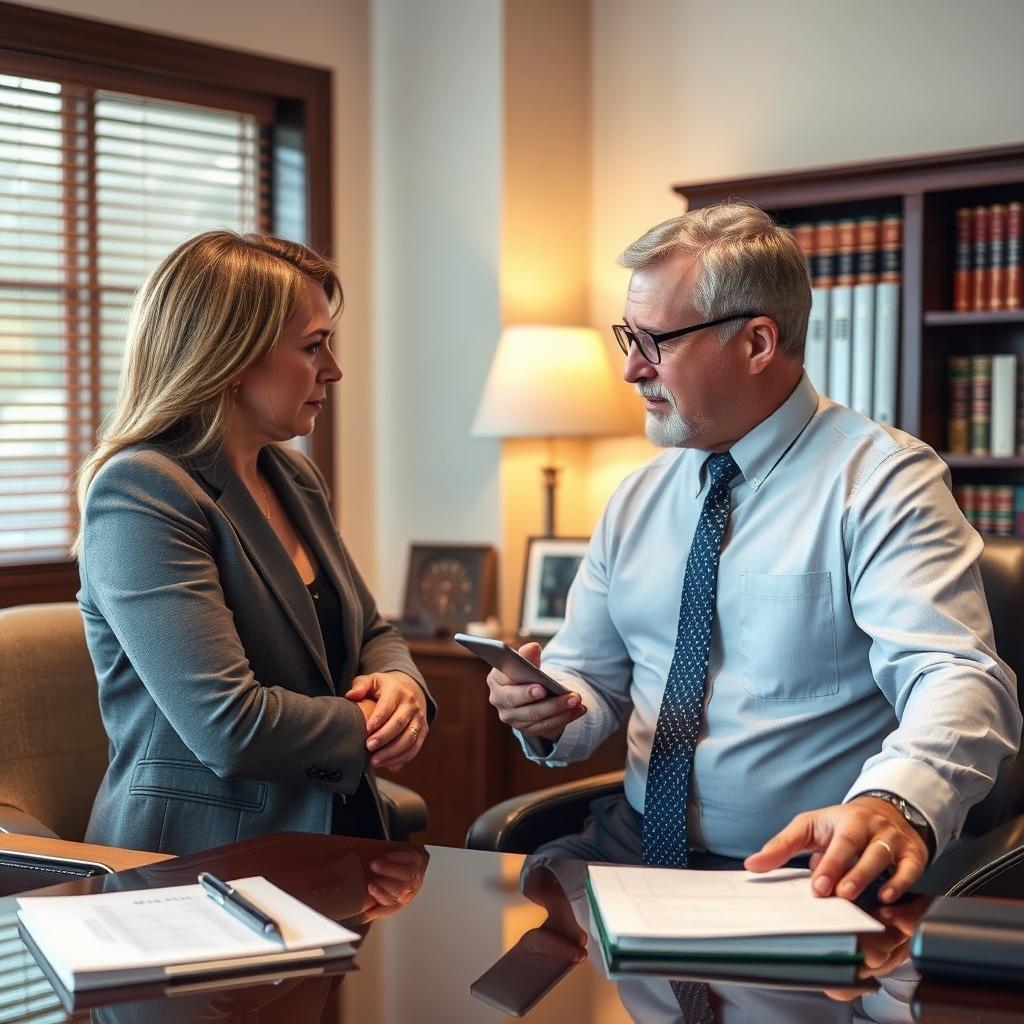
Do I need a lawyer for an uncontested divorce in Spotsylvania County
You are not legally required to hire a lawyer to file an uncontested divorce in Spotsylvania County, Virginia. Both spouses may represent themselves in the Spotsylvania County Circuit Court. However, even when both parties agree on all terms, an experienced family law attorney helps you avoid procedural missteps, draft a legally sound separation agreement, and ensure that your rights regarding property, support, and custody are fully protected. Mr. Sris and his Of Counsel bring extensive combined legal experience to uncontested divorce matters and appear regularly in Spotsylvania County courts. For a consultation, reach Law Offices Of SRIS, P.C. at (888) 437-7747. Law Offices Of SRIS, P.C. – Advocacy Without Borders.
What an uncontested divorce means in Spotsylvania County
An uncontested divorce in Virginia occurs when both spouses have resolved all issues—division of marital property, spousal support, child custody, visitation, and child support—either through a signed separation agreement or by not contesting the divorce after the statutory separation period. The Spotsylvania County Circuit Court, located at 9107 Judicial Center Lane, has exclusive jurisdiction over divorce cases. A spouse may proceed on a no‑fault ground after living separate and apart for one year, or after six months if the parties have no minor children and have entered into a written separation agreement. Because the court still requires a corroborating witness, proper pleadings, and a final decree, many people choose to work with a family law attorney even when the divorce is uncontested.
Virginia is an equitable distribution state. The court divides marital property based on factors set out in Virginia Code § 20‑107.3. Even in an uncontested case, the separation agreement must accurately classify assets and address tax, retirement, and liability issues. Mr. Sris and his Of Counsel handle uncontested divorces throughout Spotsylvania County—including the communities of Spotsylvania, Chancellor, and Massaponax—and can prepare the required documents and appear with you at the final hearing.
Understanding the separation agreement in Virginia
A separation agreement, sometimes called a marital settlement agreement or property settlement agreement, is a written contract between spouses that resolves all matters arising from the marriage. In Virginia, this agreement typically addresses the division of real estate, bank accounts, retirement funds, vehicles, personal property, and debts. It may also set terms for spousal support, health insurance coverage, and tax filing status during the separation period. When minor children are involved, the agreement should include provisions for legal custody, physical custody, a parenting time schedule, and child support calculated according to the Virginia child support guidelines found in Virginia Code § 20‑108.2.
The separation agreement becomes a legally binding contract once both parties sign it, but the marriage does not end until the court enters a final decree of divorce incorporating or affirming the agreement. If the parties have lived apart for six months and have no minor children, and a signed separation agreement exists, they may proceed with the divorce on an accelerated timeline. If minor children are part of the family, the full one‑year separation period applies regardless of whether a separation agreement has been signed. The agreement should be drafted with precision because ambiguous terms may lead to enforcement disputes later. Courts generally uphold separation agreements that are voluntarily entered into and are not unconscionable, but they retain the authority to review provisions related to child support and custody to ensure consistency with the child’s best interests.
The procedural steps for filing an uncontested divorce in Spotsylvania County
Filing for an uncontested divorce in Spotsylvania County involves several sequential steps. First, one spouse, acting as the plaintiff, files a complaint for divorce with the Clerk of the Spotsylvania County Circuit Court. The complaint must state the grounds for divorce, confirm that at least one spouse has been a resident and domiciliary of Virginia for at least six months, and describe the relief sought. The filing fee must be paid at the time of submission unless a fee waiver is requested and granted based on indigency.
Second, the plaintiff must serve the complaint and a summons on the other spouse, the defendant. Service may be accomplished by personal delivery through a sheriff or private process server, or by the defendant signing an acceptance of service form and waiving formal service. If the defendant cannot be located, alternative service methods such as posting or publication may be available upon court approval. After service, the defendant has a period of time to file a responsive pleading. In an uncontested case, the defendant typically does not contest the complaint and may choose not to file an answer.
Third, after the separation period has been met, the plaintiff requests a hearing date from the court. At the hearing, often called an ore tenus hearing, the plaintiff must present testimony establishing the grounds for divorce. The plaintiff testifies about the date of separation, the continuous nature of the separation, and the intent to end the marriage. A corroborating witness, who may be a friend, family member, or neighbor with personal knowledge of the living arrangements, also testifies to confirm the separation. If a separation agreement exists, it is submitted to the court for review and incorporation into the final decree. The judge reviews the evidence presented at the hearing. If the court is satisfied that all requirements have been met, it enters a final decree of divorce, which legally ends the marriage.
Common questions about the uncontested divorce process
What documents are needed to file for an uncontested divorce?
The core documents typically include the complaint for divorce, a civil cover sheet, the summons, any acceptance or waiver of service, a proposed final decree of divorce, and if applicable a signed separation agreement. The complaint must include the full names of both spouses, the date and place of marriage, the date of separation, the grounds for divorce, and a statement confirming residency. If minor children are involved, additional forms addressing custody, visitation, and child support may be required. The Spotsylvania County Circuit Court website provides some forms, but court personnel cannot give legal advice. Errors in the paperwork can result in the case being delayed or dismissed, requiring the parties to start over.
What is a corroborating witness and who can serve as one?
A corroborating witness is a person who has personal knowledge that the spouses have lived separate and apart for the required period and that at least one spouse intended the separation to be permanent. The witness may be a neighbor, friend, co‑worker, or relative who has observed the living situation and can testify credibly. The witness cannot be a party to the divorce. The testimony of a corroborating witness is a mandatory element of an uncontested no‑fault divorce in Virginia, and the absence of a qualified witness may prevent the court from granting the divorce at the scheduled hearing.
How does the court handle retirement accounts and pensions in an uncontested divorce?
Retirement accounts and pensions accumulated during the marriage are generally classified as marital property subject to equitable distribution. Dividing certain types of retirement accounts, such as 401(k) plans, 403(b) plans, and traditional pensions, may require a separate court order called a Qualified Domestic Relations Order or QDRO. A QDRO instructs the plan administrator how to divide the account without triggering early withdrawal penalties or adverse tax consequences. Military pensions are governed by federal law and have their own division rules. The separation agreement should specify how retirement assets will be divided, including the percentage or amount each spouse will receive, and which party is responsible for preparing any required QDRO. If the agreement is silent on retirement division, those assets may remain with the account holder unless later addressed by the court.
What is the difference between legal custody and physical custody in Virginia?
Legal custody refers to the authority to make major decisions about a child’s life, including decisions about education, health care, and religious upbringing. Physical custody refers to where the child lives and the day‑to‑day care of the child. Virginia courts may award joint legal custody, sole legal custody, joint physical custody, or primary physical custody to one parent with visitation to the other. The court determines custody based on the best interests of the child, considering factors such as the age and needs of the child, the relationship between the child and each parent, each parent’s willingness to support the child’s relationship with the other parent, and any history of family abuse. Even in an uncontested divorce where parents agree on custody terms, the court reviews the proposed arrangement to confirm it serves the child’s best interests.
Frequently asked questions
Is a lawyer required for an uncontested divorce in Virginia?
No, Virginia law does not require you to hire a lawyer for an uncontested divorce. You may file pro se, but you must still comply with all procedural rules, including filing a complaint, proving the separation period, and presenting testimony. Mistakes can delay the case or cause unfair financial results. Many people choose to work with an experienced family law attorney to avoid these pitfalls.
What is the separation period for an uncontested divorce in Spotsylvania County?
A six‑month separation is sufficient if you have no minor children and have signed a written separation agreement; otherwise a one‑year separation applies. The separation must be continuous and the spouses must intend to end the marriage. The clock starts when you begin living apart. At least one spouse must have been a Virginia resident for six months before filing.
Do both spouses need to appear in court for an uncontested divorce?
At least one spouse must appear, and Virginia requires a corroborating witness. In a no‑fault uncontested divorce, the plaintiff (the filing spouse) must testify, and a witness must confirm the separation. The defendant may not need to appear if properly served and not contesting. An attorney can coordinate the hearing and ensure the required evidence is presented.
What if we already have a signed separation agreement?
A signed separation agreement resolves all issues, but it does not by itself end the marriage. The agreement must be incorporated into a final divorce decree signed by the judge. The court reviews it for fairness, especially concerning child support and custody. Legal review before signing helps avoid later disputes.
How is property divided in an uncontested divorce in Virginia?
Virginia follows equitable distribution, meaning property is divided fairly but not necessarily equally. The court considers factors such as length of marriage, each spouse’s contributions, and the reasons for the divorce. In an uncontested case, the parties may agree to their own asset split in the separation agreement, but the agreement must still meet legal standards.
Can a fault‑based ground be used in an uncontested divorce?
Yes, but it is less common. Virginia also allows divorce based on fault grounds such as adultery or cruelty. If both spouses agree to a fault‑based divorce, it can still proceed uncontested, though the evidentiary requirements differ. Most uncontested divorces in Spotsylvania County use no‑fault separation grounds.
How long does an uncontested divorce take in Spotsylvania County?
The timeline varies by court scheduling and case complexity. After the separation period is met, filing to final decree may take several months. The court’s calendar and the completeness of the paperwork affect how quickly the hearing can be set. Prompt preparation helps keep the matter moving.
What if we have children—does that change the uncontested process?
Parents must also resolve custody, visitation, and child support. The court will review any parenting agreement and support calculations to ensure they serve the child’s best interests. Even when parents agree, court approval is required. Spotsylvania County Juvenile and Domestic Relations District Court may handle support and custody if filed separately.
Do I need to prove grounds if I use a separation‑based divorce?
Yes, you must prove the separation period with testimony, not just allege it. Typically, one party and a corroborating witness testify that the parties have lived apart continuously for the required time. An attorney can prepare you and identify an appropriate witness familiar with your living arrangement.
What is the filing procedure for an uncontested divorce in Spotsylvania County?
You file a complaint in the Spotsylvania County Circuit Court, serve your spouse, and proceed to a final hearing. A separation agreement, if any, is filed with the complaint or later. After service, the court schedules a hearing. The judge reviews the evidence and, if satisfied, enters a final decree of divorce.
Can I change my mind after filing, or if my spouse contests?
Yes, a spouse can contest at any time. If the defendant files an answer contesting, the case becomes contested, and the procedural path changes. Having an attorney from the beginning means you are prepared if the matter becomes disputed. To discuss your situation, reach Law Offices Of SRIS, P.C. at (888) 437-7747.
About Mr. Sris and his Of Counsel
Mr. Sris, Owner and Founder of Law Offices Of SRIS, P.C., has practiced family law since 1997. He is admitted in Virginia, Maryland, the District of Columbia, New Jersey, and New York. A former prosecutor, he draws on extensive courtroom experience to guide clients through uncontested and contested divorce matters. Mr. Sris and his Of Counsel bring extensive combined legal experience. Results may vary. The firm represents individuals in Spotsylvania County and throughout Northern Virginia from its Fairfax Location, with consultation by appointment at (888) 437-7747.
For additional guidance on related family law topics, see our practice pages covering Fairfax County, Prince William County, and Fairfax City.
Attorney advertising. Prior results do not guarantee a similar outcome. Case results depend on a variety of factors unique to each case. Results may vary.