
Note: This article is confirmed by Law Offices Of SRIS, P.C.
WRITTEN BY
Since 1997, Mr. Sris has led the firm, focusing on the most challenging criminal and family law cases. His background in accounting and information management aids in financial and technology-related cases. Involved in significant legislative changes in Virginia. My focus since founding the firm in 1997 has always been directed towards personally handling the most challenging and involved criminal and family law matters our clients face.
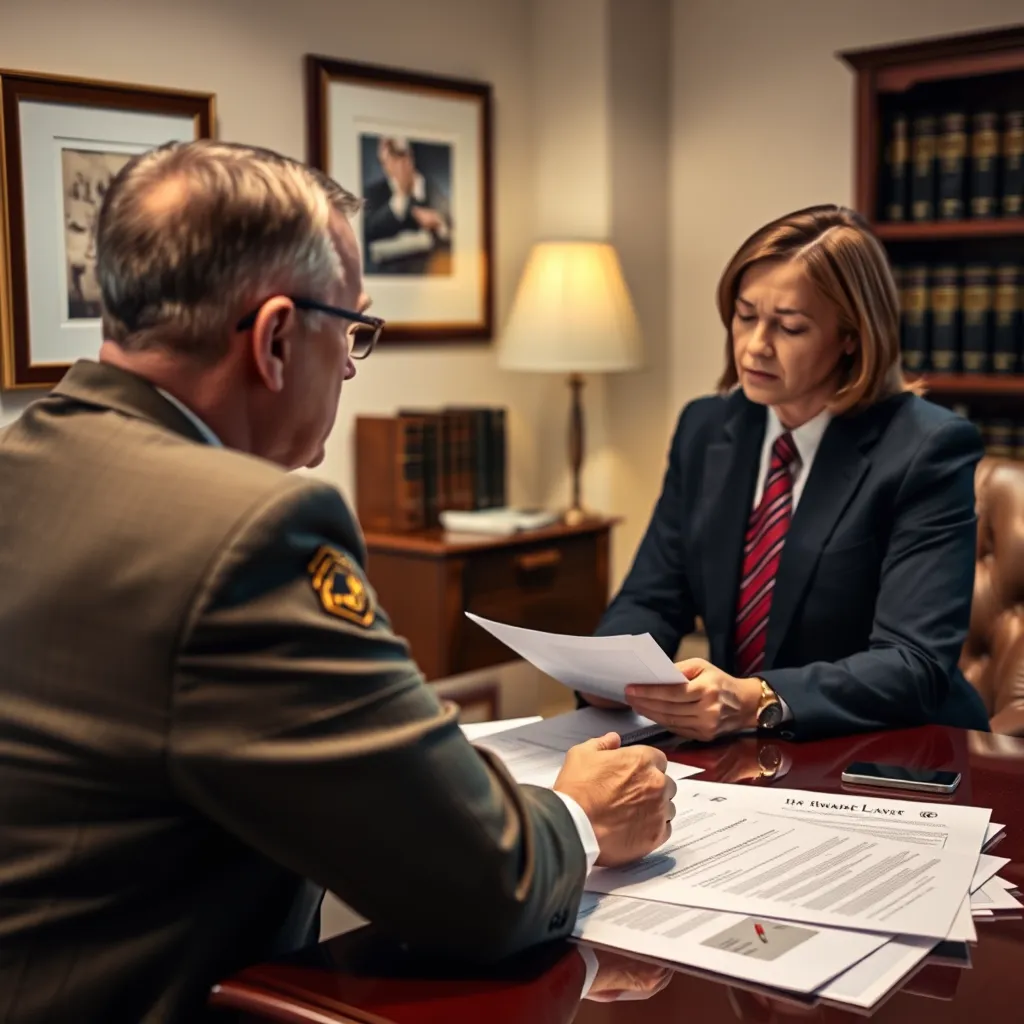
armed forces divorce lawyer Manassas VA
What is armed forces divorce
Military divorce refers to the legal dissolution of marriage when one or both spouses serve in the United States armed forces. This includes active duty, reserve, National Guard, and retired service members. The process involves standard divorce elements like property division and child custody, but adds military-specific considerations. These include military pensions, healthcare benefits, housing allowances, and jurisdictional issues related to deployment.
Service members receive protections under the Servicemembers Civil Relief Act (SCRA). This federal law allows active duty personnel to request postponements of civil proceedings, including divorce, during deployment or military duties. The SCRA prevents default judgments against deployed service members who cannot appear in court. Understanding these protections helps ensure fair legal proceedings.
Military pensions represent significant marital assets requiring careful division. The Uniformed Services Former Spouses’ Protection Act (USFSPA) governs how states can treat military retirement pay. Courts can divide military pensions as marital property, but specific rules apply. Former spouses may receive direct payments from the Defense Finance and Accounting Service under certain conditions.
Jurisdictional issues frequently arise in military divorce cases. Service members often move between states and countries, creating questions about proper venue. The military member’s legal residence, the spouse’s residence, and where the couple last lived together all factor into jurisdiction determinations. Proper venue selection affects which state’s laws apply to the divorce.
How to handle military divorce proceedings
Begin military divorce proceedings by determining proper jurisdiction. This involves identifying where to file based on legal residence requirements. Most states require at least one spouse to meet residency requirements before filing. For military families, this can involve the service member’s home of record, the spouse’s residence, or where the couple last lived together.
Document military service and benefits thoroughly. Gather copies of Leave and Earnings Statements (LES), retirement estimates, and benefit statements. Record dates of service, deployments, and duty stations. This documentation helps establish military status and calculate benefit entitlements. Accurate records support proper division of military assets.
Address SCRA protections if the service member faces deployment or military duties. The SCRA allows active duty personnel to request stays or postponements of civil proceedings. File necessary motions with the court to invoke these protections. This prevents default judgments and ensures the service member can participate in proceedings.
Handle military pension division through proper court orders. The USFSPA allows state courts to treat military retirement pay as marital property. Courts can divide pensions earned during marriage. Obtain a Qualified Domestic Relations Order (QDRO) or similar division order. Submit required documentation to the Defense Finance and Accounting Service for direct payments.
Manage other military benefits including healthcare, housing allowances, and survivor benefits. The 20/20/20 rule determines former spouse eligibility for military healthcare. Former spouses may retain commissary and exchange privileges under certain conditions. Address Basic Allowance for Housing (BAH) and other allowances during separation.
Can I get a military divorce while deployed
Deployed service members can participate in divorce proceedings with proper protections. The SCRA provides specific safeguards for personnel on active duty. These protections apply during deployment, training exercises, and other military duties that prevent court attendance. Service members must provide notice of military status to the court.
The SCRA allows deployed personnel to request stays of proceedings. This postpones divorce hearings until the service member can participate. Stays typically last for the duration of active duty plus 60-90 days. Courts must grant reasonable accommodations for military service. Service members should file formal requests with supporting military orders.
Default judgments against deployed service members are prohibited under federal law. Courts cannot enter default divorces without proper notice and opportunity to respond. If a default judgment occurs improperly, service members can seek to vacate it. The SCRA provides remedies for improperly entered judgments during military service.
Remote participation options may be available for deployed personnel. Some courts allow telephonic or video appearances for hearings. Military legal assistance offices can help coordinate remote participation. Service members should explore these options with their command and legal counsel.
Timing considerations affect deployment divorce proceedings. Some service members prefer to wait until after deployment to address divorce matters. Others may need immediate action due to family circumstances. Each situation requires individual assessment based on military duties and personal needs.
Why hire a Manassas armed forces divorce attorney
Hiring a Manassas armed forces divorce attorney provides understanding of both Virginia family law and military regulations. Virginia has specific divorce statutes that interact with federal military laws. Local attorneys know how Manassas courts interpret these intersecting legal frameworks. This knowledge helps develop effective legal arguments for military divorce cases.
Military benefit protection requires specific legal knowledge. Attorneys familiar with armed forces divorce understand military pension division under USFSPA. They know how to calculate disposable retired pay and prepare proper division orders. This helps ensure former spouses receive entitled benefits while protecting service members’ retirement security.
SCRA compliance prevents procedural errors. Attorneys experienced with military divorce ensure proper invocation of servicemember protections. They file appropriate motions for stays during deployment. This prevents default judgments and preserves service members’ rights to participate in proceedings.
Jurisdictional issues benefit from local legal knowledge. Manassas attorneys understand Virginia’s residency requirements for divorce filing. They can advise on proper venue selection based on military status and family circumstances. This avoids jurisdictional challenges that could delay proceedings.
Military-specific asset division requires careful handling. Beyond pensions, attorneys address healthcare benefits, housing allowances, and survivor benefits. They understand the 20/20/20 rule for former spouse medical coverage. Proper handling of these benefits protects both parties’ interests.
FAQ:
What makes military divorce different from civilian divorce?
Military divorce involves federal protections like SCRA and military benefits division. Service members have postponement rights during deployment.
How are military pensions divided in divorce?
Courts can divide military retirement pay earned during marriage. Specific division orders must follow USFSPA requirements for proper distribution.
Can my spouse get my military benefits after divorce?
Former spouses may qualify for healthcare and commissary privileges under certain conditions. The 20/20/20 rule determines eligibility for medical coverage.
What is the Servicemembers Civil Relief Act?
The SCRA protects active duty personnel from default judgments. It allows postponement of civil proceedings during military service.
Where should I file for military divorce?
Jurisdiction depends on legal residence requirements. Options include the service member’s home state or where the spouse resides.
How long does military divorce take?
Timing varies based on challenge and military status. SCRA protections can extend proceedings during deployment periods.
What military documents do I need for divorce?
Gather Leave and Earnings Statements, retirement estimates, and service records. Documentation establishes military status and benefit calculations.
Can I get divorced while deployed overseas?
Yes, with SCRA protections. Deployed personnel can request stays or participate remotely when court options allow.
How does deployment affect child custody?
Deployment requires special parenting plans. Courts consider military duties when establishing custody arrangements and visitation schedules.
What happens to housing allowance during divorce?
Basic Allowance for Housing may continue during legal separation. Final division depends on custody arrangements and living situations.
Can my spouse keep military ID after divorce?
Former spouses may retain ID cards under specific conditions. Eligibility depends on marriage duration and benefit entitlements.
How do I protect my military retirement in divorce?
Proper division orders and benefit calculations help protect retirement. Legal guidance ensures compliance with military regulations.
Past results do not predict future outcomes