
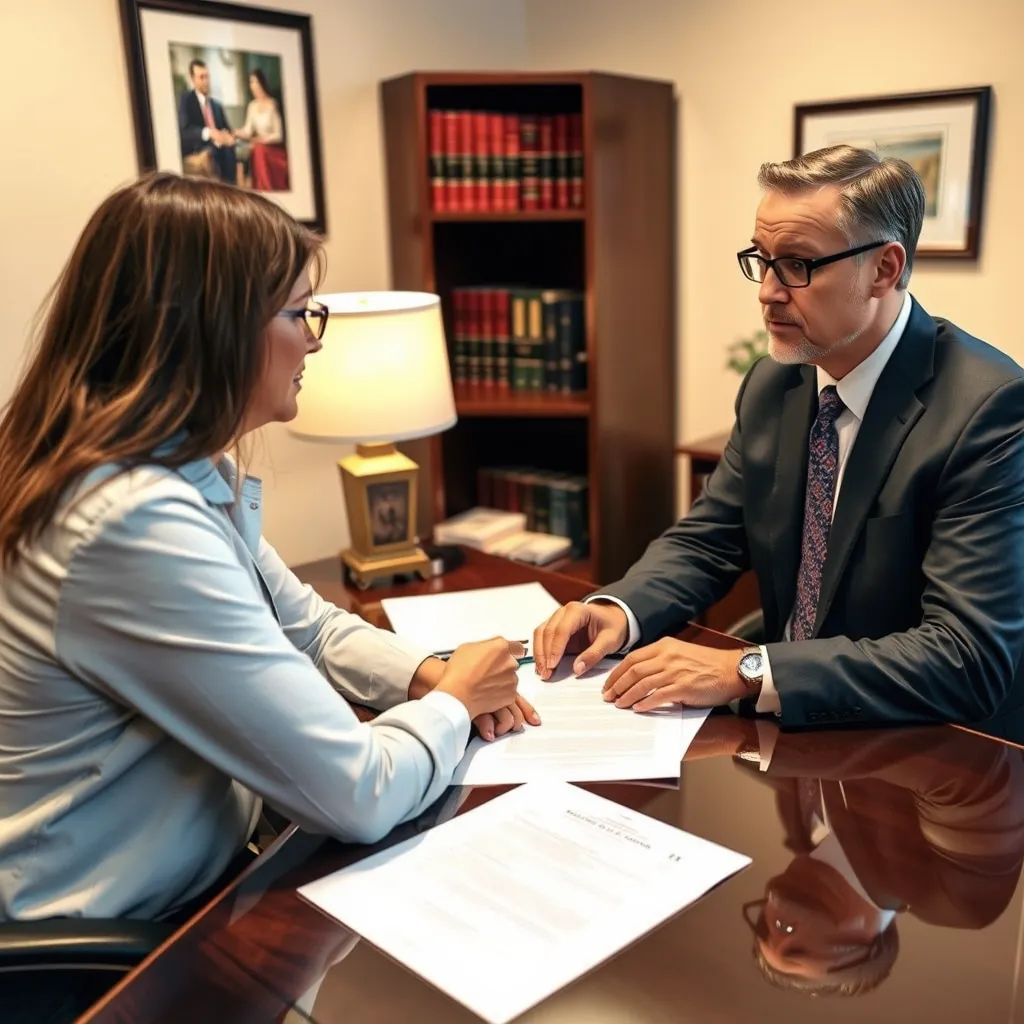
Note: This article is confirmed by Law Offices Of SRIS, P.C.
WRITTEN BY: Mr. Sris
Since 1997, Mr. Sris has led the firm, focusing on the most challenging criminal and family law cases… His background in accounting and information management aids in financial and technology-related cases… Involved in significant legislative changes in Virginia.
Insight: My focus since founding the firm in 1997 has always been directed towards personally handling the most challenging and involved criminal and family law matters our clients face.
Insight: I find my background in accounting and information management provides a unique advantage when handling the intricate financial and technological aspects inherent in many modern legal cases.
Insight: As someone deeply involved in the community, I believe it’s important to not only practice law but also to actively participate in shaping it, which is why I dedicated effort towards amending Virginia Code § 20-107.3 and achieving state recognition for cultural milestones.
marital agreement lawyer Manassas VA
What is a marital agreement
Marital agreements serve as binding legal contracts between spouses that establish financial terms and property rights. These documents provide structure for financial arrangements during marriage and establish guidelines for potential separation scenarios. Virginia law recognizes both prenuptial agreements created before marriage and postnuptial agreements established after marriage begins.
The process of creating a marital agreement involves several key steps. First, both parties must fully disclose their financial information, including assets, debts, income, and liabilities. This transparency ensures the agreement is based on complete information. Next, each spouse should have independent legal representation to ensure their rights are protected. The agreement must be drafted with specific language that complies with Virginia contract law and family law requirements.
Defense options exist for agreements that may face challenges. Virginia courts may review agreements for fairness and proper execution. Agreements must be entered voluntarily without coercion, and both parties must have adequate time to review the document. Provisions that violate public policy or attempt to limit child support obligations may not be enforceable. Proper legal guidance helps ensure agreements withstand potential challenges.
Professional insight emphasizes the importance of thorough preparation. Agreements should address specific assets, inheritance rights, business interests, and retirement accounts. Considerations should include potential changes in financial circumstances and how those changes might affect the agreement’s terms. Regular reviews and updates can help agreements remain relevant as circumstances evolve.
How to create a marital agreement
The creation process for marital agreements follows a structured approach. Initial discussions should identify the specific goals and concerns each spouse wants to address. Common considerations include protection of pre-marital assets, business interests, inheritance rights, and debt responsibility. These conversations help establish the foundation for the agreement’s content.
Action steps begin with comprehensive financial disclosure. Both parties must provide complete information about assets, debts, income, and financial obligations. This includes bank accounts, investment portfolios, real estate holdings, retirement accounts, business interests, and any anticipated inheritances. Documentation should be organized and verified to ensure accuracy.
The drafting phase involves translating financial information and agreed terms into legally binding language. Agreements should include specific provisions addressing asset classification, division methods, debt allocation, and financial support arrangements. Virginia law requires certain formalities, including voluntary execution, adequate consideration, and compliance with contract principles.
Professional guidance ensures agreements address potential future scenarios. Considerations might include career changes, business growth, inheritance receipt, or disability. Agreements can include provisions for periodic review and modification as circumstances change. Proper execution requires signatures before witnesses and often notarization to enhance document validity.
Can I modify a marital agreement
Modification of marital agreements is possible when both spouses agree to changes. Virginia law recognizes that circumstances evolve, and agreements may need updating to remain relevant. Common reasons for modification include significant financial changes, birth of children, career transitions, or acquisition of substantial new assets.
The modification process follows similar steps to initial agreement creation. Both parties must voluntarily agree to changes and provide updated financial disclosure if modifications affect financial terms. Independent legal representation remains important to ensure each spouse understands the implications of proposed changes. Documentation should clearly identify which provisions are being modified and why.
Defense considerations for modifications include ensuring changes don’t create unfair advantages. Courts may review modifications for fairness and proper execution. Modifications should not violate public policy or attempt to circumvent legal obligations. Proper documentation helps demonstrate that changes were made voluntarily with full understanding.
Professional insight emphasizes regular agreement review. Even without immediate changes, periodic review helps identify provisions that may need updating. Life events like career advancement, inheritance receipt, or business growth can trigger the need for modification. Proactive review prevents agreements from becoming outdated or ineffective.
Why hire legal help for marital agreements
Professional legal assistance provides several important benefits for marital agreements. Attorneys help identify potential issues that individuals might overlook, such as retirement account treatment, business valuation methods, or tax implications. Legal guidance ensures agreements address all relevant financial aspects and personal circumstances.
The assistance process involves comprehensive review of financial situations. Attorneys help gather necessary documentation, analyze asset structures, and identify potential areas of concern. This thorough approach helps create agreements that withstand scrutiny and provide clear guidance for future situations.
Strategy development considers both current circumstances and potential future changes. Attorneys help draft provisions that address various scenarios, including career changes, inheritance, disability, or business success. This forward-thinking approach helps agreements remain effective as life circumstances evolve.
Authority in this area comes from understanding Virginia family law and contract principles. Attorneys ensure agreements comply with legal requirements while meeting clients’ specific needs. Proper execution procedures, including witness requirements and documentation standards, help ensure agreements are legally binding and enforceable.
FAQ:
What is the difference between prenuptial and postnuptial agreements?
Prenuptial agreements are created before marriage, while postnuptial agreements are established after marriage begins. Both address financial arrangements and property rights.
How much does a marital agreement cost?
Costs vary based on challenge and assets involved. Simple agreements may cost less, while involved situations with multiple assets require more extensive work.
What happens if we don’t have a marital agreement?
Without an agreement, Virginia divorce laws determine asset division. These default rules may not align with your preferences or circumstances.
Can marital agreements address child custody?
Agreements cannot determine child custody or support. These matters are decided based on children’s best interests at the time of separation.
How long does it take to create a marital agreement?
The process typically takes several weeks. Time allows for financial disclosure, drafting, review, and proper execution of the document.
What makes a marital agreement invalid?
Invalid agreements may result from incomplete disclosure, coercion, unfair terms, or failure to follow legal formalities required by Virginia law.
Can we create our own agreement without lawyers?
While possible, self-drafted agreements often lack necessary legal provisions and may not withstand court challenges if disputes arise.
How often should we review our marital agreement?
Review every 3-5 years or after major life changes like childbirth, career shifts, or significant financial changes.
What financial information must be disclosed?
Complete disclosure includes all assets, debts, income sources, and financial obligations for both spouses.
Can marital agreements be challenged in court?
Yes, agreements can be challenged for various reasons including inadequate disclosure, coercion, or unfair provisions.
Do both spouses need separate lawyers?
Independent legal representation is strongly recommended to ensure both parties understand the agreement and their rights.
What happens if circumstances change significantly?
Significant changes may require agreement modification. Both spouses must agree to changes through proper legal procedures.
Past results do not predict future outcomes