
Note: This article is confirmed by Law Offices Of SRIS, P.C.
WRITTEN BY: Mr. Sris
Since 1997, Mr. Sris has led the firm, focusing on the most challenging criminal and family law cases. His background in accounting and information management aids in financial and technology-related cases. Involved in significant legislative changes in Virginia. My focus since founding the firm in 1997 has always been directed towards personally handling the most challenging and involved criminal and family law matters our clients face.
Domestic Abuse Lawyer New Kent VA
What is Domestic Abuse
Domestic abuse encompasses various harmful behaviors occurring between household members or intimate partners. Virginia law defines domestic violence as acts involving force, threat, or fear that cause physical injury or place someone in reasonable fear of injury. This includes physical violence, emotional abuse, sexual assault, economic control, and psychological manipulation. The legal framework recognizes patterns of behavior rather than isolated incidents.
Legal professionals examine specific circumstances to determine if domestic abuse has occurred. Evidence collection involves documenting incidents, injuries, threats, and patterns of behavior. Police reports, medical records, photographs, and witness statements contribute to building a case. Understanding legal definitions helps individuals recognize when they need protection and legal assistance.
Virginia provides several legal mechanisms to address domestic abuse. Protective orders offer immediate safety measures by restricting contact between parties. Emergency protective orders can be issued quickly when immediate danger exists. Preliminary protective orders provide temporary relief while cases proceed through court. Permanent protective orders offer longer-term solutions after full hearings.
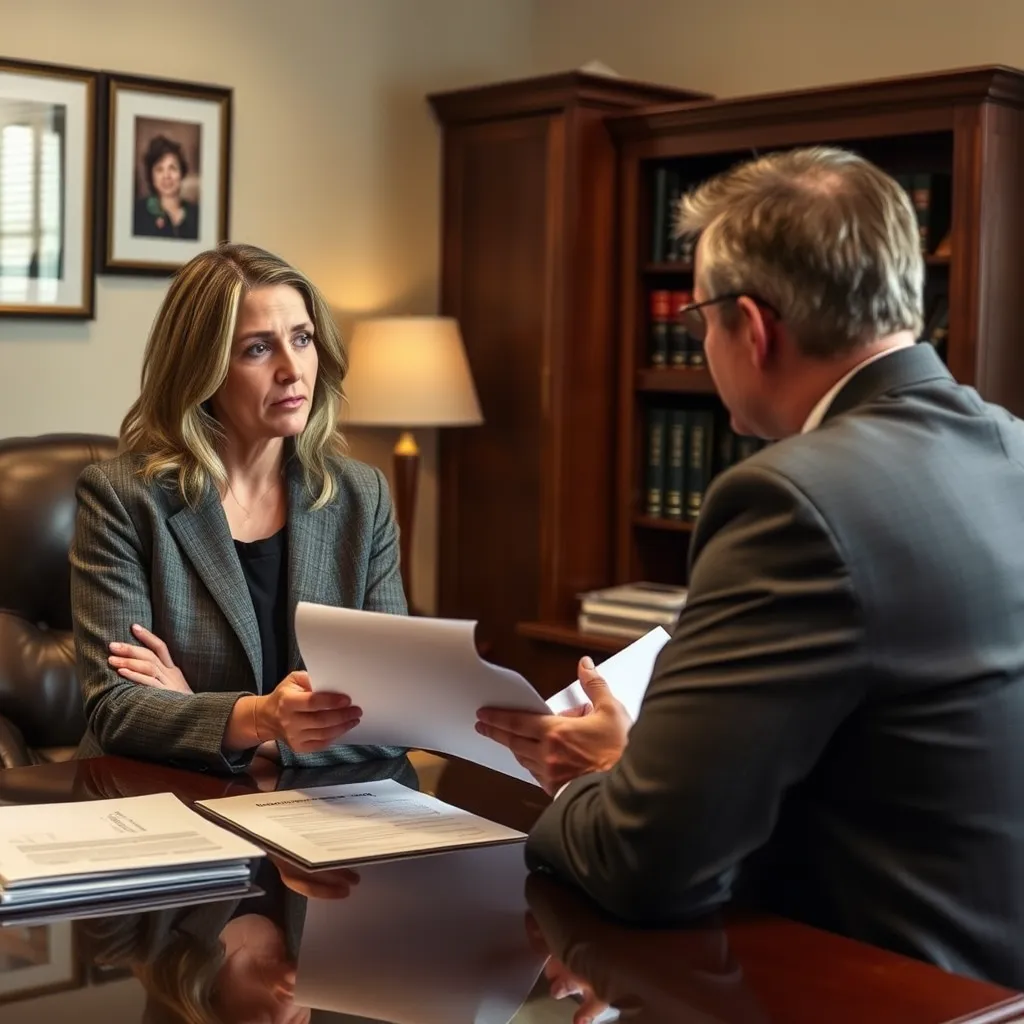
Legal representation ensures proper handling of domestic abuse cases. Attorneys help gather evidence, file appropriate paperwork, and present cases effectively in court. They explain legal rights and options available under Virginia law. Professional guidance helps individuals make informed decisions about their safety and legal strategy.
How to File for Protective Orders
Filing for protective orders follows established procedures in Virginia courts. The process begins at the local courthouse where individuals complete required forms detailing the abuse incidents. Emergency protective orders can be obtained quickly when immediate danger exists, typically through magistrate’s offices or law enforcement. These temporary orders provide immediate protection while longer-term solutions are pursued.
Court clerks assist with paperwork but cannot provide legal advice. Forms require specific information about incidents, dates, injuries, and threats. Providing detailed, accurate information strengthens the case for protection. Documentation should include dates, times, locations, and descriptions of abusive behaviors. Supporting evidence like photographs, medical records, or police reports should accompany filings.
After filing emergency orders, preliminary protective order hearings occur within specified timeframes. These hearings allow both parties to present evidence before a judge. The judge determines if sufficient evidence exists to continue protection. If granted, preliminary orders remain in effect until full hearings for permanent orders.
Permanent protective order hearings involve more detailed proceedings. Both parties present evidence, call witnesses, and make legal arguments. Judges consider the history of abuse, current threats, and future risks. Permanent orders can last up to two years and may include various provisions like no-contact orders, residence exclusion, or custody arrangements.
Legal representation improves outcomes in protective order proceedings. Attorneys help prepare documentation, organize evidence, and present compelling arguments. They ensure all legal requirements are met and deadlines are followed. Professional guidance helps individuals understand what to expect during court processes.
Can I Get Legal Help for Domestic Violence
Legal help for domestic violence is available through various channels in Virginia. Attorneys provide representation in court proceedings, protective order cases, and related legal matters. Legal professionals explain rights under Virginia law and available options for protection. They help individuals understand the legal system and what to expect during proceedings.
Initial consultations assess situations and determine appropriate legal strategies. Attorneys review evidence, discuss safety concerns, and explain potential outcomes. They help develop comprehensive plans addressing immediate safety needs and long-term legal solutions. Legal representation ensures proper handling of court filings, hearings, and negotiations.
Domestic violence cases often involve multiple legal aspects beyond protective orders. These can include divorce proceedings, child custody arrangements, property division, and criminal charges. Attorneys coordinate these related matters to ensure consistent legal strategies. They help prioritize actions based on safety concerns and legal requirements.
Legal assistance extends beyond court representation. Attorneys help connect clients with support services like counseling, shelters, and advocacy programs. They coordinate with law enforcement to ensure proper implementation of protective orders. Legal professionals monitor compliance with court orders and take appropriate action if violations occur.
Cost considerations vary depending on case challenge and legal needs. Some attorneys offer flexible payment arrangements or work with legal aid organizations. Understanding available resources helps individuals access necessary legal help regardless of financial circumstances.
Why Hire Legal Representation for Domestic Abuse
Hiring legal representation offers significant advantages in domestic abuse cases. Attorneys bring knowledge of Virginia laws and court procedures that most individuals lack. They understand how to present evidence effectively, file proper documentation, and meet legal deadlines. Professional guidance reduces stress during already difficult situations by managing legal challenges.
Legal professionals develop effective strategies based on case specifics. They analyze evidence, identify strengths and weaknesses, and plan appropriate legal approaches. Attorneys consider both immediate safety concerns and long-term legal implications. They help prioritize actions to achieve the best possible outcomes given individual circumstances.
Court proceedings involve specific rules and protocols unfamiliar to most people. Attorneys ensure proper courtroom conduct, appropriate presentation of evidence, and correct legal arguments. They handle interactions with judges, opposing counsel, and court personnel. Professional representation increases the likelihood of favorable decisions in protective order hearings and related matters.
Legal representation helps avoid common mistakes that can undermine cases. Attorneys ensure documentation is complete and accurate, deadlines are met, and procedures are followed correctly. They anticipate potential challenges and prepare appropriate responses. Professional guidance prevents oversights that could compromise safety or legal rights.
Beyond court proceedings, attorneys provide ongoing support and advice. They monitor compliance with court orders, address violations promptly, and modify legal strategies as needed. Legal professionals coordinate with other service providers to ensure comprehensive support for clients. They help handle changing circumstances and adjust legal approaches accordingly.
FAQ:
What constitutes domestic abuse in Virginia?
Domestic abuse includes physical harm, threats, emotional mistreatment, or controlling behaviors between household members or intimate partners under Virginia law.
How quickly can I get a protective order?
Emergency protective orders can be obtained immediately through magistrates when immediate danger exists in Virginia.
What evidence helps in domestic violence cases?
Photographs, medical records, police reports, witness statements, and documentation of incidents support domestic violence cases effectively.
Can protective orders affect child custody?
Protective orders can influence custody decisions by demonstrating safety concerns that courts consider in Virginia family law matters.
What happens if someone violates a protective order?
Violating protective orders results in criminal charges with potential penalties including fines or jail time under Virginia law.
How long do protective orders last in Virginia?
Emergency orders last briefly, preliminary orders continue until hearings, and permanent orders can extend up to two years in Virginia.
Can I modify or extend a protective order?
Protective orders can be modified or extended through court petitions showing continued need for protection in Virginia.
What legal options exist beyond protective orders?
Options include criminal charges, divorce proceedings, custody arrangements, and civil lawsuits depending on specific circumstances in Virginia.
How much does legal representation cost?
Costs vary based on case challenge with some attorneys offering payment plans or working with legal aid organizations in Virginia.
What should I do immediately after domestic violence?
Seek medical attention if injured, contact law enforcement, document evidence, and consider contacting legal help for guidance.
Can domestic violence cases involve criminal charges?
Domestic violence incidents can lead to criminal charges separate from protective order proceedings in Virginia courts.
How do courts determine if abuse occurred?
Courts examine evidence including documentation, witness testimony, and patterns of behavior to determine if abuse occurred under Virginia law.
Past results do not predict future outcomes