
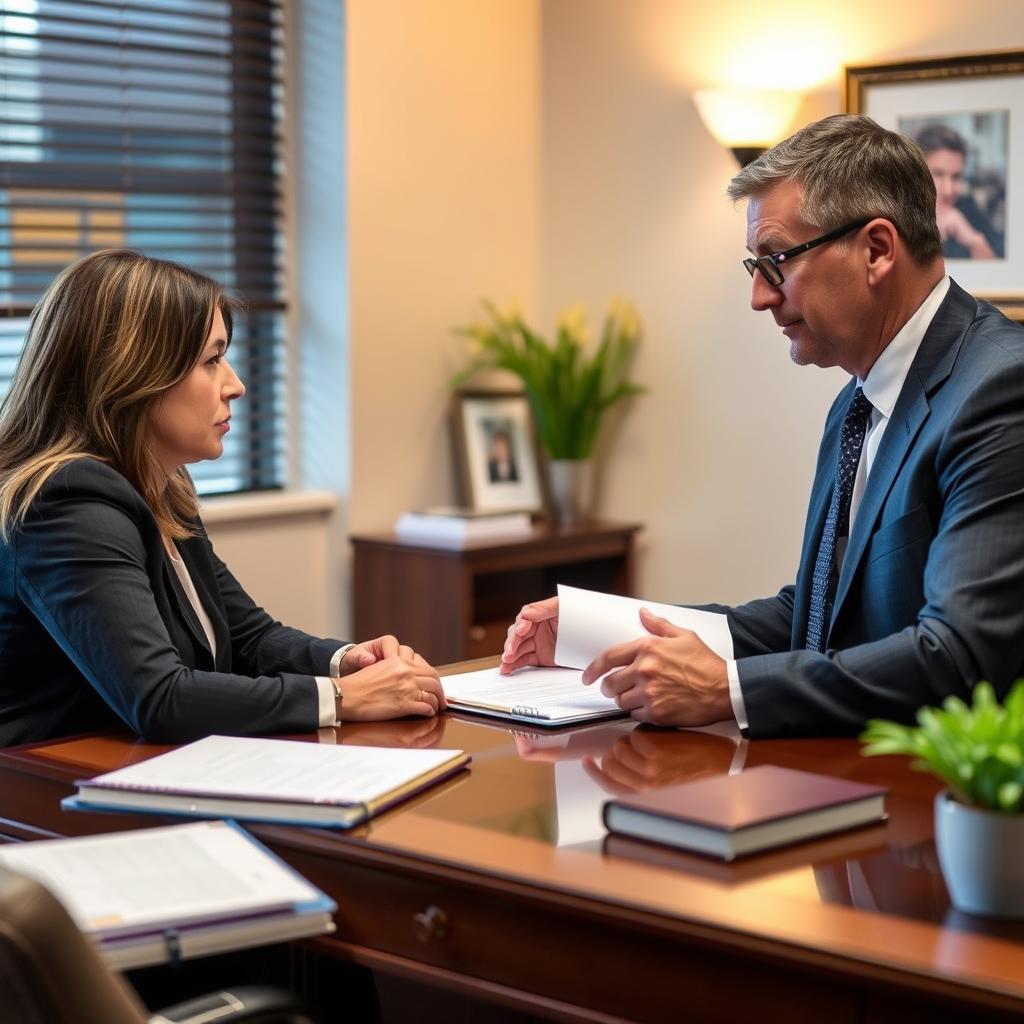
Armed Forces Divorce Lawyer Culpeper County
An Armed Forces Divorce Lawyer Culpeper County handles the unique legal issues in military divorces under Virginia and federal law. Law Offices Of SRIS, P.C. —Advocacy Without Borders. Service members face specific rules on residency, asset division, and child custody. SRIS, P.C. provides direct counsel on handling the Culpeper County Circuit Court system. (Confirmed by SRIS, P.C.)
Statutory Definition of Military Divorce in Virginia
Virginia law defines the grounds and procedures for divorce, with specific statutes impacting service members. The primary statute is Va. Code § 20-91, which lists the fault and no-fault grounds for divorce. For military members, the Servicemembers Civil Relief Act (SCRA) provides critical protections against default judgments. Virginia courts also apply the Uniformed Services Former Spouses’ Protection Act (USFSPA) for dividing military pensions. Understanding these laws is essential for any Armed Forces Divorce Lawyer Culpeper County.
Va. Code § 20-91 — Grounds for Divorce — Determines eligibility to file. This code section lists the legal reasons for divorce in Virginia. It includes both fault-based grounds, like adultery or cruelty, and no-fault grounds based on separation. For a no-fault divorce, you must prove you have lived separate and apart for the required time. For service members, proving separation can be complex due to deployments and PCS orders. The statute sets the legal foundation for every divorce case filed in Culpeper County Circuit Court.
How does military service affect the one-year separation requirement?
Military deployments do not automatically pause the separation clock for a no-fault divorce. The one-year separation period required under Va. Code § 20-91 must be continuous and uninterrupted. Short periods of reconciliation can reset the clock, complicating a service member’s timeline. Deployments or training exercises are considered part of the separation if the intent to remain separate is clear. An Armed Forces Divorce Lawyer Culpeper County can document this intent to protect your timeline.
What is the Servicemembers Civil Relief Act (SCRA) in a divorce?
The SCRA allows active-duty service members to request a stay of court proceedings. This federal law protects those in military service from default judgments in civil cases, including divorce. A stay can be granted if military duty materially affects the member’s ability to appear in court. The court in Culpeper County must grant a stay for at least 90 days upon application. Your lawyer must file the necessary military affidavit to invoke these protections.
How is a military pension divided in a Virginia divorce?
The Uniformed Services Former Spouses’ Protection Act (USFSPA) allows state courts to treat military retired pay as property. Virginia courts can divide the pension as marital property if certain conditions are met. The 10/10 rule is a common misconception; it relates to direct payment by DFAS, not division eligibility. The court order must specifically address the pension division to be enforceable by the Defense Finance and Accounting Service. A military member divorce lawyer Culpeper County drafts these orders correctly. Learn more about Virginia family law services.
The Insider Procedural Edge in Culpeper County Circuit Court
Culpeper County Circuit Court is located at 135 West Cameron Street in Culpeper, Virginia. This court handles all divorce filings for residents of Culpeper County, including military personnel. The filing fee for a divorce complaint in this court is typically set by state statute. Procedural specifics for Culpeper County are reviewed during a Consultation by appointment at our Culpeper County Location. Knowing the local clerk’s requirements and judge’s preferences is a key advantage.
What is the typical timeline for a divorce in Culpeper County?
A contested divorce in Culpeper County can take over a year to finalize from the filing date. The timeline depends on court docket schedules, complexity of assets, and whether children are involved. An uncontested divorce where all issues are agreed upon can be finalized more quickly. Military deployments or moves can add significant delays if stays are requested. Your service member dissolution lawyer Culpeper County can manage expectations and push for efficiency.
Where do I file for divorce if I am stationed outside Virginia?
You may still file in Culpeper County if you or your spouse meet Virginia’s residency requirements. Virginia requires at least six months of residency in the state before filing. For service members, Virginia often considers you a resident if it is your home of record. You can file in Culpeper County if your spouse resides there, even if you are stationed elsewhere. A lawyer files the necessary paperwork and represents your interests in court without your physical presence.
What are the local filing fees and costs?
The filing fee for a divorce complaint in Culpeper County Circuit Court is approximately $89. Additional costs include fees for serving the complaint, filing motions, and final decree entry. If your case involves custody or support, there may be separate filing fees for those actions. Court costs can increase significantly if the divorce is contested and requires multiple hearings. Your lawyer at SRIS, P.C. will provide a clear cost structure during your initial consultation. Learn more about criminal defense representation.
Penalties & Defense Strategies in Military Divorce
The most common penalty in a contested divorce is an unfavorable division of assets and debts. Unlike criminal law, divorce does not involve jail time, but the financial and personal stakes are high. The court’s decisions on property, support, and custody have long-term consequences. For service members, a poorly handled divorce can impact security clearances and military benefits. You need a defense strategy that protects your career and family.
| Offense / Issue | Potential Penalty / Outcome | Notes |
|---|---|---|
| Failure to Respond (Default) | Judgment entered against you on all terms. | The SCRA can provide a stay, but you must act. |
| Adultery (Fault Ground) | Can affect alimony awards and property division. | Virginia is a fault state; proof impacts the case. |
| Improper Pension Division Order | DFAS will reject the order, no direct payments. | The order must meet precise federal formatting rules. |
| Violation of Temporary Orders | Contempt of court, fines, or even jail. | Common during lengthy separations before final decree. |
[Insider Insight] Culpeper County judges are familiar with military life but expect strict compliance with procedures. They generally respect the protections of the SCRA when properly invoked. Local prosecutors are not involved in divorce cases, but the Commonwealth’s Attorney may get involved for enforcement of support orders. The court tends to look favorably on service members who demonstrate responsibility and planning. Presenting clear evidence and following protocol is non-negotiable.
How can a fault ground like adultery impact my divorce?
Proven adultery can bar the adulterous spouse from receiving spousal support under Virginia law. It can also influence the judge’s decisions on property division, often to the faulting party’s detriment. For a service member, allegations of adultery can also trigger Uniform Code of Military Justice (UCMJ) proceedings. Your lawyer must aggressively defend against false allegations or mitigate the impact of proven fault. This requires a tactical approach to evidence and negotiation.
What happens if I don’t comply with a court order for support?
Failure to pay court-ordered child or spousal support is contempt of court. Penalties include wage garnishment, seizure of tax refunds, suspension of driver’s licenses, and even jail time. For military members, non-compliance can be reported to your command, affecting your career. The Virginia Department of Child Support Enforcement can pursue enforcement aggressively. A strong legal defense involves seeking modifications if you cannot pay, not ignoring the order. Learn more about personal injury claims.
Why Hire SRIS, P.C. for Your Military Divorce in Culpeper County
Bryan Block is a former Virginia State Trooper with direct insight into court and military procedures. His background provides a unique advantage in building credible, direct cases for service members. He understands the pressure you face and the standards you must uphold. Bryan Block focuses on achieving clear, enforceable outcomes that protect your family and career. He is the primary attorney handling military divorce cases for SRIS, P.C. in Culpeper County.
Bryan Block
Former Virginia State Trooper
Extensive experience with Culpeper County Circuit Court procedures
Handles complex asset division involving military pensions and benefits
Direct, tactical approach to negotiation and litigation
SRIS, P.C. has secured favorable outcomes in family law matters across Virginia. Our team understands the intersection of military regulations and Virginia divorce law. We prepare every case with the detail required for military finance and personnel systems. We provide advocacy without borders, representing clients stationed worldwide in Culpeper County court. You get a team that knows the law and the local area.
Localized FAQs for Military Divorce in Culpeper County
How long must I live in Virginia to file for divorce here?
You or your spouse must be a resident of Virginia for at least six months before filing. For service members, Virginia often accepts your home of record or legal domicile. You can file in Culpeper County if your spouse lives there. Procedural specifics are confirmed during a Consultation by appointment. Learn more about our experienced legal team.
Can my spouse get a divorce if I am deployed?
Yes, but the Servicemembers Civil Relief Act (SCRA) allows you to request a stay of proceedings. Your spouse must still serve you with the divorce papers properly. The court cannot enter a default judgment without complying with SCRA protections. An attorney can file the necessary military affidavit on your behalf.
How is my military pension divided in a Virginia divorce?
Virginia courts can treat military retired pay as marital property subject to division. The court uses the USFSPA to create a enforceable order. The order must be drafted precisely for DFAS to process direct payments. The share is typically based on the marriage length overlapping service time.
Will my security clearance be affected by a divorce?
A divorce itself does not automatically affect a security clearance. However, financial problems, adultery, or failure to follow court orders can trigger review. It is critical to handle the divorce process responsibly and comply with all legal obligations. Legal counsel can help mitigate risks to your career.
What is the difference between legal and physical custody for military parents?
Legal custody involves decision-making for the child’s health, education, and welfare. Physical custody determines where the child lives. Military parents can share legal custody even if deployments affect physical custody. Parenting plans must address deployment and relocation scenarios explicitly.
Proximity, CTA & Disclaimer
Our legal team serves clients in Culpeper County and surrounding areas. The Culpeper County Circuit Court is centrally located at 135 West Cameron Street. SRIS, P.C. provides dedicated representation for service members handling family law matters. Consultation by appointment. Call 888-437-7747. 24/7.
Law Offices Of SRIS, P.C.
—Advocacy Without Borders.
Phone: 888-437-7747
Past results do not predict future outcomes.