
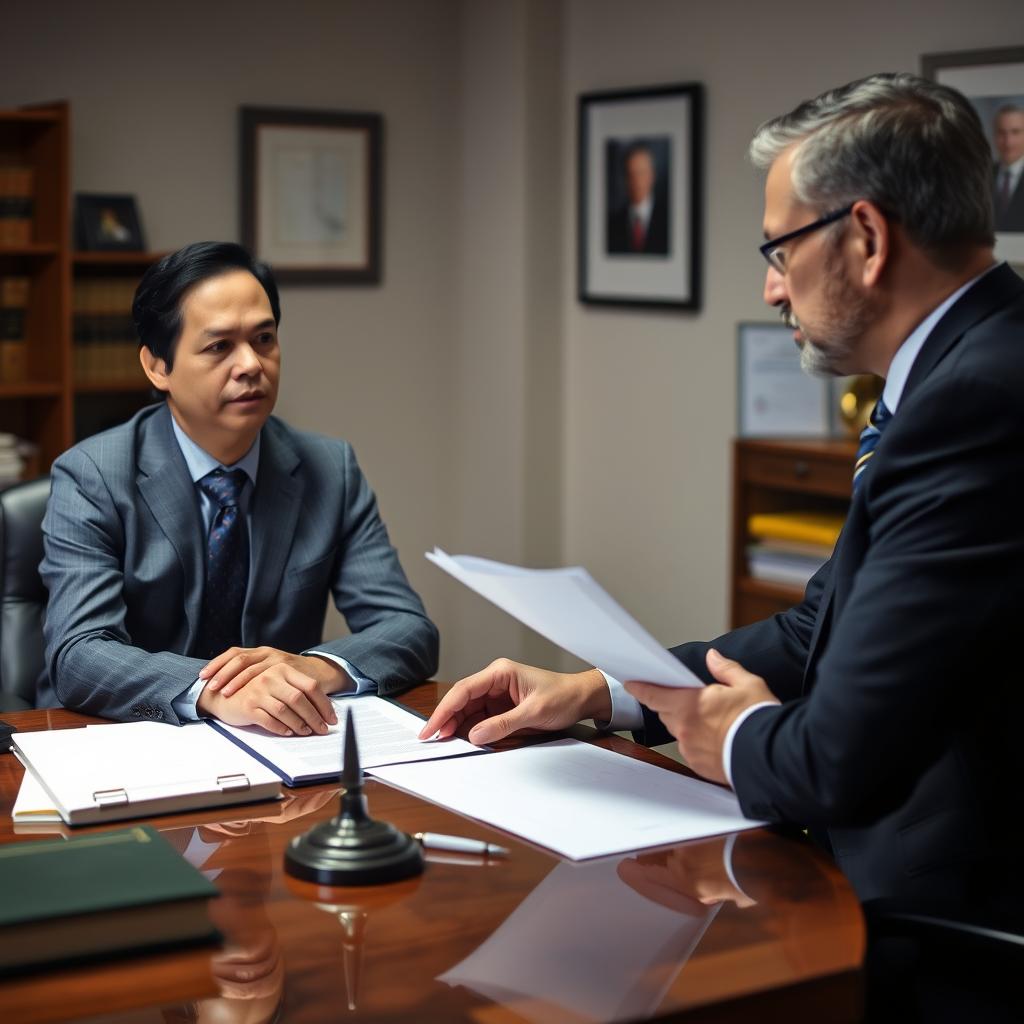
Do I need a lawyer for an uncontested divorce in New York
You and your spouse have decided to end your marriage. There’s no fight over who gets what; you’ve talked through the big issues and both want to move on without a courtroom battle. You’re standing in the kitchen, looking at the New York court forms online, and wondering: Do I really need a lawyer for this? It’s a fair question. An uncontested divorce in New York can seem simple enough to handle on your own—especially when both sides agree. But the paperwork and the decisions built into it carry consequences that aren’t always obvious at the kitchen table. Before you decide to go it alone, it’s worth understanding what’s actually involved and where things can go sideways. For a confidential discussion about your situation, call (888) 437-7747. Law Offices Of SRIS, P.C. – Advocacy Without Borders.
Your Options for an Uncontested Divorce in New York
When both spouses agree to divorce and have resolved issues like property division, support, and any parenting arrangements, New York law offers a streamlined path. You still have choices about how you get there.
One route is to handle everything yourself—downloading forms from the court’s website, filling them out, and filing without legal help. Some couples also use a mediator to help work through the details, then file on their own. The third option is to work with an attorney who handles the drafting, filing, and procedural steps while you and your spouse remain in control of the decisions. Law Offices Of SRIS, P.C. represents one spouse in this process, providing guidance on statutory requirements and preparing the documents that need to be submitted to the New York Supreme Court. Having an experienced attorney involved does not mean conflict; it means making sure the agreement you both reach is properly captured in a way that a New York court will accept and that protects your rights.
What to Expect in an Uncontested Divorce in New York
New York is a no-fault state for divorce, meaning you don’t have to prove wrongdoing. For an uncontested case, the ground is usually “irretrievable breakdown of the relationship for a period of at least six months,” and both spouses must agree that the marriage is over. Along with the ground, you must also resolve all economic and custody issues in a written settlement agreement or in the divorce papers themselves.
The process starts when one spouse—the plaintiff—files a summons and complaint (or a summons with notice) in the Supreme Court of the county where either spouse lives. New York uses a document called a “Summons with Notice” or a “Summons and Complaint,” depending on how detailed the filing is. Because the divorce is uncontested, the defendant spouse usually does not oppose the filing and may sign an affidavit of no opposition. The court will review the paperwork to confirm it complies with New York’s Domestic Relations Law and the procedural rules of the specific county. Once approved, a judgment of divorce is signed. Throughout the process, both sides must comply with New York’s financial disclosure requirements and any automatic orders that freeze assets and insurance policies during the case.
Why Handling It Without a Lawyer Can Create Problems
Many uncontested divorces hit roadblocks not because the spouses disagree but because the paperwork wasn’t prepared correctly. New York divorce forms require a detailed understanding of equitable distribution, spousal maintenance, and child support guidelines. Mistakes can delay the case for months—or leave one spouse with unintended financial obligations. For example, a separation agreement that waives spousal support but fails to include the precise statutory language New York courts expect may be rejected or later challenged. Similarly, a do-it-yourself filing that omits required financial disclosures can result in a “Request for Judicial Intervention” being denied or the case being dismissed without a judgment.
Beyond paperwork, there are the decisions themselves. Even when couples agree, they often don’t realize the long-term impact of property distribution choices—how a retirement asset is divided, or how the marital residence is handled, can have tax consequences that are easy to miss without legal experience. Having an attorney review the settlement agreement before you sign can prevent these hidden pitfalls. Law Offices Of SRIS, P.C. represents clients in uncontested divorce matters throughout New York, from initial consultation through final judgment.
How Law Offices Of SRIS, P.C. handles Family Law in New York
Mr. Sris, Owner and Founder of Law Offices Of SRIS, P.C., has been practicing law since 1997. Along with the firm’s Of Counsel attorneys, he concentrates on family law matters across the firm’s five-state footprint, including New York. The firm’s approach to uncontested divorce is straightforward: handle the legal and procedural work so you can focus on moving forward.
The firm’s Of Counsel attorneys have experience in New York divorce practice and understand the procedural nuances of Supreme Courts across the state—from the New York City boroughs to Long Island and the Hudson Valley. When you work with the firm, you get a team that drafts the necessary documents, files them with the appropriate county clerk, and makes sure the settlement terms are clearly stated and enforceable. The goal is to obtain a valid judgment of divorce as efficiently as possible while protecting your interests. Reach Law Offices Of SRIS, P.C. at (888) 437-7747 to schedule a consultation about your uncontested divorce.
Frequently Asked Questions
Do I need a lawyer to handle an uncontested divorce in New York?
No, New York does not require you to have a lawyer to file for an uncontested divorce. You can represent yourself (pro se) and submit the paperwork directly to the court. However, self-representation carries significant risk because the divorce forms and the underlying settlement agreement involve complex legal issues that affect your future financial rights, parenting time, and support obligations. A mistake in the documents or a poorly worded agreement can result in the court rejecting your filing or a judgment that contains terms you did not intend. Working with an experienced attorney reduces those risks.
What is the difference between contested and uncontested divorce in New York?
An uncontested divorce means both spouses agree on all issues—including the divorce itself, property division, spousal maintenance, and child-related matters—and no trial is needed. A contested divorce occurs when the spouses cannot agree on one or more of those issues and the court must decide after motion practice or a trial. Uncontested cases are generally faster and less expensive because they avoid litigation. In New York, even an uncontested divorce still requires formal pleadings and must satisfy statutory requirements under the Domestic Relations Law.
What are the grounds for an uncontested divorce in New York?
New York’s no-fault ground—irretrievable breakdown of the marriage for at least six months—is the most frequently used ground for uncontested divorce. Both spouses must state under oath that the marriage is irretrievably broken. The court will also require that all economic issues, including equitable distribution and maintenance, have been settled or addressed in the filing. If both sides agree, the six‑month period is satisfied as long as the relationship has been broken for that length of time before the judgment is signed.
How does the process work if my spouse and I already agree?
You would work with your attorney to prepare a summons and complaint or summons with notice that sets forth the agreed‑upon terms. The defendant spouse then signs an affidavit of no opposition or a similar document confirming they do not contest the divorce. Both sides exchange financial disclosures as required by New York rules. Once all paperwork is filed and reviewed by the court, a judge may grant the divorce without either party needing to appear in person. The exact steps can vary by county, so having legal representation helps ensure that the correct local procedures are followed.
Will we both have to go to court for an uncontested divorce?
In many New York counties, a personal appearance is not required for an uncontested divorce if all paperwork is in order and both sides have submitted the necessary affidavits. The court may grant the judgment on submission alone. Some counties, however, may still request a brief appearance to confirm the parties’ consent or to address any questions the judge has about the agreement. Your attorney can tell you what is typical in the county where your case is filed and can prepare you if an appearance is needed.
How is property divided in an uncontested divorce in New York?
New York uses equitable distribution, meaning marital property is divided fairly—but not necessarily equally—based on factors set out in the Domestic Relations Law. In an uncontested case, the parties decide how to split their assets and debts through a written settlement agreement or in the divorce complaint itself. The court will review the distribution to confirm it is not unconscionable. Common items that must be addressed include real estate, retirement accounts, bank and investment accounts, vehicles, and personal property. Separate property—typically what each spouse owned before the marriage or received as a gift or inheritance—stays with the owning spouse.
What does a separation agreement have to do with an uncontested divorce?
A separation agreement is a written contract in which the spouses resolve all financial and custody issues; in an uncontested divorce, it often serves as the blueprint for the divorce judgment. While a separation agreement is not required for an uncontested divorce, many couples use one. The agreement covers equitable distribution, spousal maintenance, child custody, and child support. Once signed and acknowledged in the form required by New York law, the agreement can be incorporated into the divorce judgment. Having an attorney draft or review the separation agreement before you sign it is critical because any mistake can become a binding obligation.
What about child support and custody if we agree?
Even when both parents agree, New York law requires that child support meet statutory guidelines and that custody and visitation arrangements serve the best interests of the child. The agreement must include a calculation of child support based on the combined parental income, using the percentages set forth in the Child Support Standards Act. The court will review the arrangement to ensure it provides for the child’s needs. If the agreed amount deviates from the guidelines, you must explain why. Similarly, a custody and parenting time schedule, even if agreed, will be reviewed for its impact on the child.
How long does an uncontested divorce usually take in New York?
The timeline for an uncontested divorce depends on the court’s calendar, the completeness of the paperwork, and whether any issues require clarification. New York courts review filings in the order they are received, and processing times vary from county to county. Some courts process an uncontested case within a few months; others may take longer. Your attorney can give you an estimate based on local practice, but no specific number of days or weeks can be assured; past results do not guarantee a similar outcome. Preparing thorough, accurate paperwork from the beginning is the trusted way to avoid unnecessary delays.
How much does an uncontested divorce cost in New York?
Costs vary depending on the complexity of the marital assets, whether a separation agreement is involved, and the attorney’s fee structure. There are mandatory court filing fees that every case must pay, but attorney fees are determined by the agreement between you and your lawyer. An attorney can discuss fee arrangements during an initial consultation. While handling the case without a lawyer may appear cheaper upfront, errors that prolong the process or create unintended financial obligations can end up costing more over the long term. For information about working with Law Offices Of SRIS, P.C., call (888) 437-7747.
For a full statutory breakdown of New York divorce law, see our comprehensive analysis at srislawyer.com.
Explore our family law services in your county:
New York County (Manhattan) ·
Kings County (Brooklyn) ·
Queens County (Queens) ·
Richmond County (Staten Island) ·
Nassau County (Long Island)
Attorney advertising. Prior results do not guarantee a similar outcome. Case results depend on a variety of factors unique to each case.
Law Offices Of SRIS, P.C. New York Location — by appointment only. Phone consultations available at (888) 437-7747. Serving clients throughout New York, including New York City, Long Island, and the Hudson Valley.