
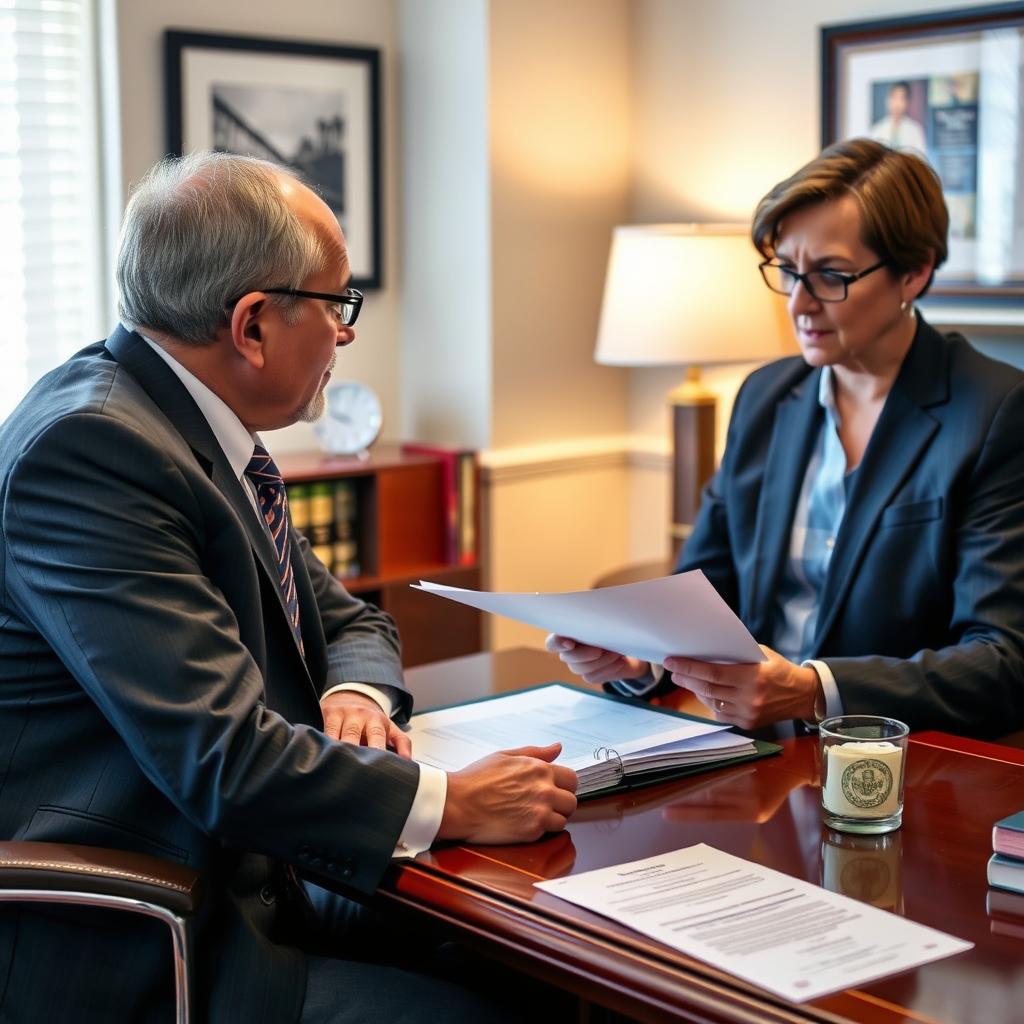
Guardianship Lawyer Chesapeake, VA
When a family faces the need to establish a guardianship—whether for a minor child, an adult with diminished capacity, or in an emergency situation—the legal process can feel complex and unfamiliar. Law Offices Of SRIS, P.C. provides experienced representation to individuals seeking guardianship in Chesapeake, Virginia. Mr. Sris, Owner and Founder, and his Of Counsel team assist clients with guardianship petitions before the Chesapeake Circuit Court, guiding them through the statutory requirements under Virginia law. The firm has served clients across the Commonwealth since 1997, and our Richmond location represents individuals in Chesapeake and throughout Hampton Roads. For a consultation about your guardianship matter, reach our firm at (888) 437-7747. Law Offices Of SRIS, P.C. – Advocacy Without Borders.
What Guardianship Means in Chesapeake, Virginia
Guardianship is a legal arrangement in which a court appoints a responsible person or entity to make decisions for another individual who is unable to manage their own affairs. In Virginia, guardianship law covers both minors and adults, and the statutory framework is found in Va. Code § 64.2-2000 et seq. A guardian may be appointed for a minor child when the child’s parents are deceased, incapacitated, or otherwise unable to provide care. For an adult, guardianship may become necessary when a person suffers from a condition that impairs their decisional capacity, such as advanced dementia, a severe developmental disability, or a traumatic brain injury.
Chesapeake guardianship cases are heard in the Chesapeake Circuit Court, located at 307 Albemarle Drive, Chesapeake, VA 23322. The Circuit Court has jurisdiction over adult guardianship petitions as well as guardianship of minors when a custody proceeding is not underway in the Juvenile and Domestic Relations District Court. The process involves filing a petition, providing supporting evidence, and attending a hearing before a judge. Because guardianship limits an individual’s fundamental rights, Virginia courts require clear and convincing evidence that the appointment is necessary and in the best interests of the person in need of protection.
Many guardianship matters arise alongside other family law issues, such as custody or support, but guardianship is a distinct legal proceeding with its own procedural rules. Whether you are a grandparent seeking guardianship of a grandchild, a family member concerned about an aging parent, or a parent planning for a child with special needs, the approach to a guardianship petition depends heavily on the specific facts. Mr. Sris and his Of Counsel team review each situation individually, explain the legal standards that apply, and prepare the petition, supporting affidavits, and any required reports to present to the Chesapeake Circuit Court.
How Mr. Sris and His Of Counsel Handle Guardianship Cases
The guardianship process begins with a thorough consultation to understand the circumstances and determine whether a guardianship is the most appropriate legal tool. Sometimes a less restrictive alternative, such as a power of attorney or a supported decision-making arrangement, may be more suitable. If a guardianship is warranted, the attorney prepares the necessary pleadings and assembles the documentation required by statute—including a physician’s statement or evaluation for adult guardianship cases.
Once the petition is filed with the Chesapeake Circuit Court, the court typically appoints a guardian ad litem to investigate and report to the court. Mr. Sris and his Of Counsel team work with the guardian ad litem, coordinate with potential witnesses, and ensure that the evidence presented to the court meets the applicable legal standard. If the guardianship is contested—for example, if the person alleged to be incapacitated objects—the matter proceeds to an evidentiary hearing. In uncontested matters, the court may rule based on the written submissions and the guardian ad litem’s report. Throughout the process, the firm keeps clients informed of each step and what to expect at court appearances.
About Mr. Sris and His Of Counsel Team
Mr. Sris, Owner and Founder of Law Offices Of SRIS, P.C., is a former prosecutor with experience in criminal trial work. He founded the firm in 1997 and now practices across Virginia, Maryland, the District of Columbia, New Jersey, and New York. His background includes handling matters that require careful attention to evidence and procedure, skills that translate directly to guardianship proceedings where detailed factual records and compliance with statutory requirements are essential.
Mr. Sris testified before the Virginia House Courts of Justice Committee in support of 2019 HB 635 (chief patron Del. David Bulova). That experience reflects a commitment to the development of Virginia law and an understanding of legislative and procedural issues that affect family law practice in the Commonwealth. Mr. Sris and his Of Counsel team bring extensive combined legal experience to guardianship cases, approaching each matter with a focus on the best interests of the individual at the center of the proceeding. Results may vary.
Our Of Counsel attorneys are engaged through Excella and work collaboratively with Mr. Sris on guardianship files. Because each attorney’s professional background adds perspective—whether in litigation, investigation, or institutional knowledge of court procedures—the team is positioned to address guardianship matters that involve contested evidence, cross-jurisdictional elements, or complex family dynamics. All representation is by appointment; reach our Richmond location to schedule a consultation.
Frequently Asked Questions
What is a guardianship in Virginia?
A guardianship is a court-ordered relationship in which a guardian is granted legal authority to make personal, medical, or financial decisions for a person who cannot make those decisions independently. In Virginia, guardianship law under Va. Code § 64.2-2000 et seq. Distinguishes between guardianship of a minor and guardianship of an incapacitated adult. The court determines the scope of the guardian’s powers based on the individual’s needs and the evidence presented. A guardian of the person makes decisions about healthcare, living arrangements, and personal welfare, while a conservator handles financial matters if one is also appointed. The court may grant limited or plenary authority, depending on the facts.
How does the guardianship process work in Chesapeake, Virginia?
The process begins with filing a petition in the Chesapeake Circuit Court, followed by an investigation by a guardian ad litem and a hearing before a judge. The petitioner must provide evidence—often including a medical evaluation for adult cases—that the individual lacks the capacity to manage their affairs. The court requires notice to all interested parties, including the person for whom guardianship is sought. If the matter is uncontested, the hearing may be brief; contested cases involve witness testimony and cross-examination. The timeline depends on court scheduling and whether any objections are raised.
What is the difference between guardianship and custody in Virginia?
Guardianship and custody both relate to the care of a child, but guardianship is a broader legal arrangement that can continue beyond the child’s minority and may cover financial as well as personal decision-making. Custody, governed by Va. Code § 20-124.2, typically addresses which parent or third party has physical and legal custody of a child during a divorce or separation. Guardianship of a minor is often used when a parent is unavailable, and it can include the authority to manage the child’s property. Custody may be modified more easily, while guardianship remains in effect until terminated by the court or the child reaches adulthood.
Do I need a lawyer to file for guardianship in Chesapeake?
While you are not legally required to hire an attorney for a guardianship petition, Virginia’s procedural and evidentiary requirements make legal representation strongly advisable. The court expects the petitioner to present evidence that meets the statutory standard. An experienced guardianship lawyer can help ensure the petition is properly drafted, that the required medical or psychological evaluations are obtained, and that the guardian ad litem process proceeds efficiently. In contested cases, the need for an advocate who understands the rules of evidence and court procedure is even greater. Contact Law Offices Of SRIS, P.C. at (888) 437-7747 to discuss your matter.
How long does a guardianship case take in Virginia?
The duration of a guardianship case varies based on court scheduling, whether the matter is contested, and the time needed to obtain necessary evaluations. Uncontested guardianship petitions, where all parties agree and the supporting documentation is complete, can proceed through the Chesapeake Circuit Court on a shorter schedule. Contested guardianship matters involve discovery, witness preparation, and a full evidentiary hearing, which extend the timeline. The court’s calendar and the availability of a guardian ad litem also influence the proceeding. For a clearer picture of what to expect in your situation, reach our firm at (888) 437-7747.
What is an emergency guardianship in Virginia?
An emergency guardianship is a temporary court appointment made when an individual faces an immediate risk of harm and cannot wait for a standard guardianship proceeding. Under Virginia law, a petitioner may file an emergency petition in the Chesapeake Circuit Court when circumstances require urgent action—for example, a sudden medical crisis with no one authorized to consent to treatment. The court may appoint a temporary guardian for a limited period, often until a full hearing can be held. The petitioner must present evidence of the emergency and the need for immediate intervention. Because emergency guardianship involves expedited proceedings and significant restrictions on the individual’s rights, experienced legal guidance is important to protect the interests of all parties involved.
For additional information on related family law topics, see our pages for Family Law in Fairfax County, Family Law in Fairfax City, Family Law in Falls Church, Family Law in Prince William County, and Family Law in Manassas.
Primary source references: Virginia Code Title 64.2 — Wills, Trusts, and Fiduciaries | Virginia Judicial System. For business entity filings referenced in some guardianship contexts, see the SCC Business Entity Filings.
Attorney advertising. Prior results do not guarantee a similar outcome. Results may vary.
Case results depend on a variety of factors unique to each case.