
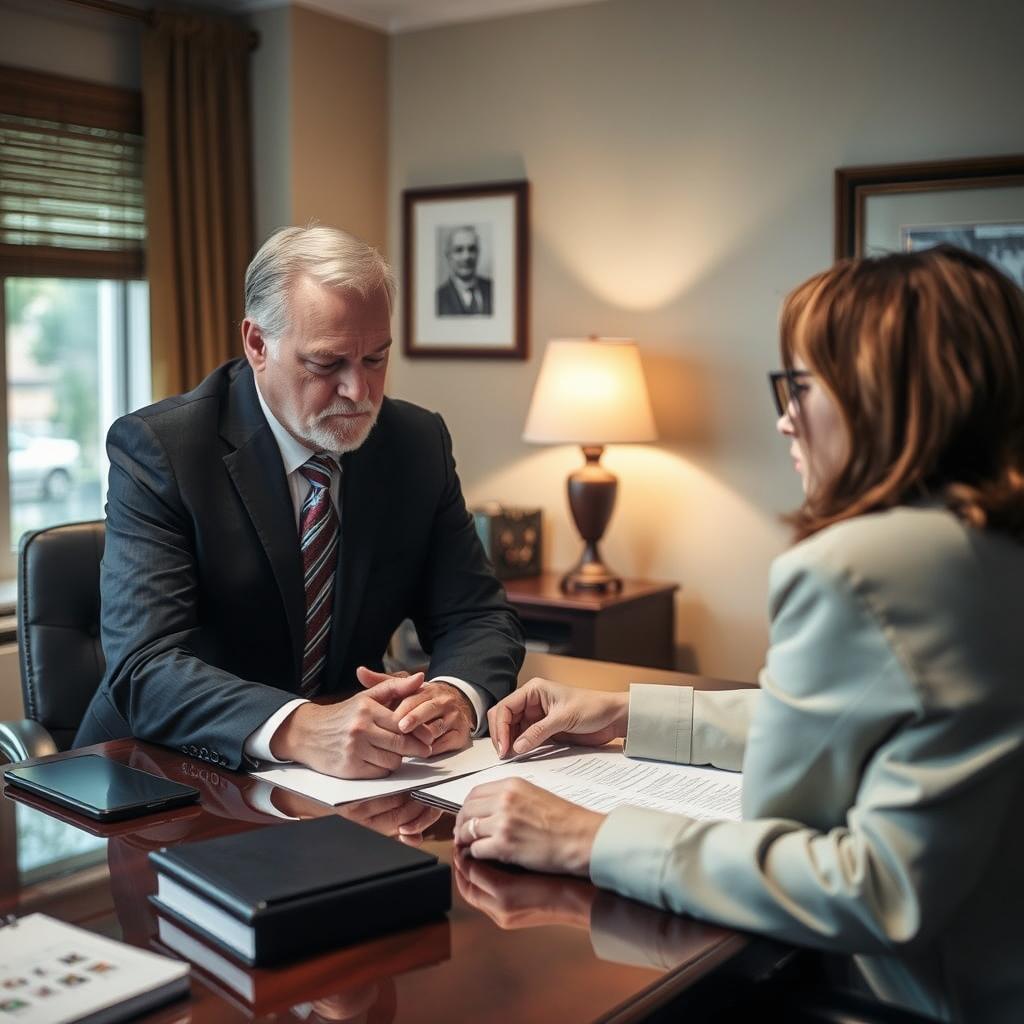
Guardianship Lawyer Niagara County, NY
Guardianship matters in Niagara County require familiarity with New York’s statutory schemes in both Supreme Court and Family Court. Law Offices Of SRIS, P.C. represents clients throughout Niagara County—including Lockport, Niagara Falls, North Tonawanda, Lewiston, and surrounding communities—in adult guardianship proceedings under Article 81 of the Mental Hygiene Law and in minor guardianships heard in Niagara County Family Court. Mr. Sris, Owner and Founder of the firm, and the firm’s Of Counsel attorneys bring extensive combined legal experience to guardianship petitions, working to protect the well‑being and assets of the person who may need a guardian. To discuss a guardianship matter in Niagara County, reach Law Offices Of SRIS, P.C. at (888) 437‑7747. Law Offices Of SRIS, P.C. – Advocacy Without Borders.
What Guardianship Means in Niagara County, New York
Guardianship is a court‑appointed relationship in which one person (the guardian) is given legal authority to make decisions for another person (the ward) who cannot manage their own affairs. New York law distinguishes between guardianship of a minor child and guardianship of an adult. The applicable court, legal standard, and filing requirements depend on the type of guardianship sought and the county in which the petition is filed. In Niagara County, guardianship petitions may be heard in Niagara County Supreme Court (for adult guardianship under Article 81 of the Mental Hygiene Law), Niagara County Family Court (for guardianship of the person of a minor), and Niagara County Surrogate’s Court (for guardianship of a minor’s property).
For adults, Article 81 of the New York Mental Hygiene Law provides a functional‑capacity assessment rather than a diagnostic label. The court may appoint a guardian of the person, a guardian of the property, or both, based on evidence that the individual is unable to meet their own needs for personal care or property management and is likely to suffer harm without a guardian. In Niagara County, the Supreme Court appoints a court evaluator to investigate and report, and the judge tailors the guardianship order to the least restrictive alternative. Minor guardianships in Niagara County Family Court focus on the best interests of the child, and the court may grant guardianship of the person where the parent is unable or unwilling to care for the child.
How Mr. Sris and the Firm’s Of Counsel Attorneys Handle Guardianship Cases
The firm’s guardianship practice concentrates on guiding clients through the procedural steps required in Niagara County courts. The process typically begins with an evaluation of whether guardianship is the appropriate remedy or whether a less restrictive alternative—such as a power of attorney or health care proxy—would suffice. When a guardianship petition is warranted, Mr. Sris and the firm’s Of Counsel attorneys prepare and file the necessary pleadings, arrange for service on the alleged incapacitated person and interested parties, and coordinate with the court evaluator in adult matters.
In Supreme Court adult guardianship cases, the firm addresses the requirements of Article 81, including the preparation of the petition and supporting affidavits from medical or social work professionals. In Family Court minor guardianship proceedings, the firm handles the petition, service, and any related custody or visitation issues that may arise. The timeline for resolution varies with court scheduling and the complexity of the matter, and the firm works to advance the case as efficiently as possible while protecting the rights and dignity of the person at the center of the proceeding. Throughout, the firm’s attorneys appear at hearings in Niagara County and stay current with local practice preferences.
About Mr. Sris and the Firm’s Of Counsel Attorneys
Mr. Sris, Owner and Founder of Law Offices Of SRIS, P.C., established the firm in 1997. A former prosecutor, Mr. Sris has practiced family law for many years and is admitted in Virginia, Maryland, the District of Columbia, New Jersey, and New York. The firm’s Of Counsel attorneys bring extensive combined legal experience to guardianship matters. Together, Mr. Sris and the firm’s Of Counsel attorneys handle guardianship petitions in Niagara County courts, working toward outcomes that protect the ward’s interests. Mr. Sris testified before the Virginia House Courts of Justice Committee in support of 2019 HB 635 (chief patron Del. David Bulova). Results may vary.
Frequently Asked Questions
What is the difference between a guardian of the person and a guardian of the property in New York?
A guardian of the person makes decisions about personal care, such as residence, medical treatment, and daily activities, while a guardian of the property manages financial affairs, including income, assets, and expenditures. Under Article 81 of the Mental Hygiene Law, the Niagara County Supreme Court may appoint one or both types of guardian, and the order is tailored to the specific functional limitations of the individual. The court can also limit the guardian’s powers to the least restrictive alternative.
Do I need a lawyer to petition for guardianship in Niagara County?
Although a person may file a guardianship petition without an attorney, the procedural requirements under Article 81 and the Family Court Act are detailed, and an experienced lawyer can help ensure the petition is properly prepared and served. The court evaluator and potential objections from the alleged incapacitated person or other family members make legal representation beneficial. For guidance on your specific situation, reach Law Offices Of SRIS, P.C. at (888) 437‑7747.
How does the court decide whether an adult needs a guardian in Niagara County?
The Niagara County Supreme Court uses a functional‑capacity evaluation, not a medical diagnosis. The judge considers evidence about the person’s ability to manage personal needs and property, often relying on a court evaluator’s report. The court must find that the person is likely to suffer harm without a guardian and that the guardianship is the least restrictive option available. The proceeding is governed by Article 81 of the New York Mental Hygiene Law.
What is the process for obtaining guardianship of a minor child in Niagara County Family Court?
A guardianship petition for a minor is filed in Niagara County Family Court, and the court considers whether the appointment is in the child’s best interests. The parent or other relative must demonstrate that the parent is unable or unwilling to care for the child. The court may also address custody, visitation, and support issues. Service on the parent and interested parties is required, and the court may appoint an attorney for the child.
What courts hear guardianship matters in Niagara County?
Adult guardianship proceedings are heard in Niagara County Supreme Court (175 Hawley Street, Lockport, NY 14094), while minor guardianship of the person is heard in Niagara County Family Court. Guardianship of a minor’s property may also be handled in Niagara County Surrogate’s Court. Each court has its own procedural rules, and the appropriate venue depends on the type of guardianship sought.
How long does a guardianship case take in Niagara County?
The timeline varies depending on the complexity of the case, the availability of the court evaluator, and any objections filed. An uncontested adult guardianship under Article 81 may progress more quickly once the evaluator’s report is complete, while contested matters can require additional hearings. For a consultation on the likely timeline in your situation, contact Law Offices Of SRIS, P.C. at (888) 437‑7747.
Related pages:
Family Law Lawyer New York County (Manhattan)
Family Law Lawyer Kings County (Brooklyn)
Family Law Lawyer Queens County
Family Law Lawyer Nassau County
Authority references:
New York State Unified Court System
New York Mental Hygiene Law
Attorney advertising. Prior results do not guarantee a similar outcome. Case results depend on a variety of factors unique to each case. Results may vary.