
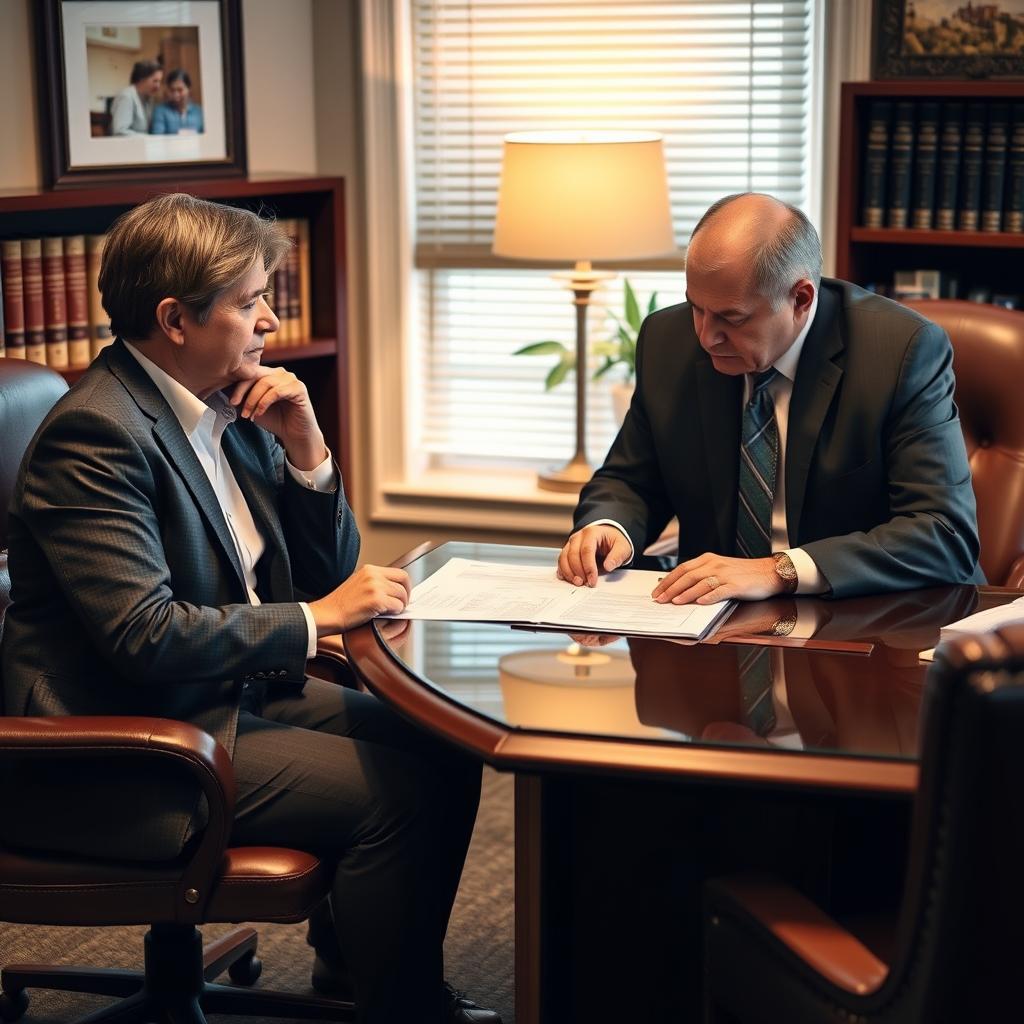
Guardianship Lawyer Oneida County, NY
Your mother, who lives in Utica, cannot manage her finances as she once could. You worry about unpaid bills and calls from creditors. A guardianship may protect her from further loss and give you the legal authority to step in. In Oneida County, adult guardianship is governed by Article 81 of the New York Mental Hygiene Law—a statutory scheme designed for exactly this situation. Mr. Sris and the firm’s Of Counsel attorneys guide families through Article 81 proceedings in the Fifth Judicial District. Reach Law Offices Of SRIS, P.C. at (888) 437‑7747 to request a consultation. Law Offices Of SRIS, P.C. – Advocacy Without Borders.
What Guardianship Means in Oneida County
Oneida County guardianship cases are heard in Oneida County Supreme Court. The court may appoint a guardian of the person, a guardian of the property, or both, depending on the adult’s needs. The proceeding begins with a petition supported by a court evaluator’s report that assesses the individual’s functional capacity. The court’s concern is the alleged incapacitated person’s best interests—safeguarding their autonomy while addressing real risks.
Under Article 81, the petitioner must demonstrate that the individual is unable to provide for their own personal needs or property management, and that the individual cannot adequately understand and appreciate the nature and consequences of that inability. The court evaluator—an independent professional appointed by the judge—conducts an investigation and submits findings and recommendations to the court. The evaluator interviews the alleged incapacitated person, reviews medical records, speaks with family members, and assesses available resources and supports.
The communities the firm serves—Utica, Rome, New Hartford, Whitestown, Sherrill, Oriskany, Clinton, Waterville, Boonville, Camden, and Remsen—all fall within Oneida County and the Fifth Judicial District. Guardianship matters in this region often involve families who are managing a parent’s progressive health changes from a distance or siblings who disagree about the trusted plan. Mr. Sris and the firm’s Of Counsel attorneys appear at Oneida County Supreme Court, 200 Elizabeth Street, Utica, to present petitions and respond to court evaluation findings.
New York law requires the court to consider whether a less restrictive alternative to guardianship exists, such as a power of attorney, a health care proxy, or a supportive arrangement. When a guardianship is necessary, the court tailors the order to the specific limitations the person faces—no more. The firm works to ensure the guardianship plan meets the court’s functional assessment and respects the individual’s dignity. Once a guardian is appointed, the guardian must file periodic reports with the court accounting for the individual’s assets and describing the care provided, including any changes in the individual’s condition or living situation.
The Article 81 Guardianship Process in Oneida County
Filing a guardianship petition in Oneida County involves several procedural stages. The petitioner initiates the case by filing a verified petition and an order to show cause in the Supreme Court. The petition must detail the alleged incapacitated person’s functional limitations, describe the specific powers being requested, and identify the proposed guardian along with that person’s qualifications and relationship to the individual.
After the petition is filed, the court appoints a court evaluator, who is typically an attorney, social worker, or other qualified professional. The court evaluator meets with the alleged incapacitated person, explains the proceeding in plain language, and investigates the circumstances. The evaluator then prepares a written report for the court addressing the person’s functional capacity, the necessity of a guardianship, and the suitability of the proposed guardian. The report may also recommend limitations on the guardian’s powers or suggest alternatives to a full guardianship.
Once the evaluator’s report is complete, the court schedules a hearing. At the hearing, the petitioner presents evidence—often including testimony from medical providers, family members, and the court evaluator—to establish that the individual meets the Article 81 criteria. The alleged incapacitated person has the right to be present at the hearing and to be represented by counsel. If the court finds that a guardianship is warranted, it issues an order specifying the guardian’s powers and duties. The order may grant authority over personal decisions, financial matters, or both, and may impose reporting requirements and other conditions.
How Mr. Sris and the Firm’s Of Counsel Attorneys Handle Guardianship Cases
When a family contacts Law Offices Of SRIS, P.C., the first step is to understand the situation: the challenges the adult is facing, any existing advance directives, and the family dynamics. The firm’s attorneys then review the facts against Article 81’s requirements—whether a medical condition is affecting decision-making, whether the person is at risk of harm, and whether a guardian is the most appropriate option.
If a petition is appropriate, the firm prepares and files the necessary documents in Oneida County Supreme Court. The attorneys coordinate with the court-appointed evaluator, present the petitioner’s case, and advocate for an order that addresses property management, personal needs, or both. If the matter is contested, the firm provides representation through hearings and, if necessary, trial. Throughout the process, Mr. Sris and the firm’s Of Counsel attorneys keep the family informed, explain the next steps, and work to resolve matters efficiently.
The firm also assists guardians with their ongoing obligations after appointment. A guardian must comply with the court’s reporting schedule, maintain records of expenditures and decisions, and seek court approval for certain actions such as selling real property or making major changes to the individual’s living arrangements. Mr. Sris and the firm’s Of Counsel attorneys help guardians understand these duties and prepare the required accountings and reports. When circumstances change—such as the individual regaining capacity or the guardian being unable to continue serving—the firm assists with petitions to modify or terminate the guardianship.
Firm-wide, Law Offices Of SRIS, P.C. has documented case results since 1997, including matters in Oneida County. Results may vary.
Source: Firm records. srislawyer.com
Reviewed by Mr. Sris, admitted in VA/MD/DC/NJ/NY.
About Mr. Sris and the Firm’s Of Counsel Attorneys
Mr. Sris, Owner and Founder of Law Offices Of SRIS, P.C., has concentrated in family and guardianship law since the firm’s founding in 1997. He is a former prosecutor and is admitted in Virginia, Maryland, the District of Columbia, New Jersey, and New York. Mr. Sris takes a firsthand role in guiding guardianship matters through the court system and works collaboratively with the firm’s Of Counsel attorneys.
The firm’s Of Counsel attorneys bring practical legal experience in guardianship, family law, and related proceedings. They appear in New York Supreme and Family Courts and are familiar with the local rules and expectations in the Fifth Judicial District. Together, Mr. Sris and the firm’s Of Counsel attorneys work toward outcomes that protect vulnerable adults and give families a clear legal structure. To schedule a consultation, call (888) 437‑7747.
Frequently Asked Questions
What is an Article 81 guardianship in Oneida County?
An Article 81 guardianship is a New York Supreme Court proceeding to appoint a guardian for an adult who cannot manage their personal or financial affairs because of functional limitations. The court appoints a court evaluator to assess the person’s condition and makes a tailored order—a guardian of the person, the property, or both. Oneida County cases are filed at the Supreme Court in Utica.
Who can serve as a guardian in Oneida County?
A family member, close friend, or a professional fiduciary may serve as guardian, subject to court approval. The court considers the proposed guardian’s qualifications, relationship to the person, and ability to carry out the duties. In Oneida County, families often nominate an adult child or sibling; the court may also appoint an independent guardian if no suitable family member is available.
Do I need a lawyer to petition for guardianship in Oneida County?
While you are not legally required to have a lawyer, an attorney familiar with Article 81 and local court practice can help you avoid procedural errors and present a thorough petition. The petition must meet specific pleading requirements, and the hearing involves cross‑examination of the court evaluator and other witnesses. Mr. Sris and the firm’s Of Counsel attorneys handle these steps.
How long does a guardianship case take in Oneida County?
The timeline varies depending on court scheduling, the evaluator’s availability, and whether the matter is contested. An uncontested guardianship can move more quickly; a contested matter may require multiple hearings and a trial. The firm works to advance the case efficiently while protecting the individual’s rights.
What is the difference between a power of attorney and a guardianship?
A power of attorney is created by a person while they still have capacity; a guardianship is a court-appointed arrangement when a person no longer has the capacity to grant authority. If a valid durable power of attorney exists, the court may find a guardianship unnecessary. The firm reviews existing documents before recommending a guardianship petition.
Can a guardianship be contested in Oneida County?
Yes, the adult child or other interested persons can oppose the petition by presenting evidence that the individual does not meet the Article 81 criteria or that the proposed guardian is unsuitable. The court holds a hearing and decides based on the evidence. The firm represents petitioners and respondents in contested guardianship matters.
For a consultation, reach Mr. Sris and the firm’s Of Counsel attorneys at (888) 437‑7747.
Case results depend on a variety of factors unique to each case.
Attorney advertising. Prior results do not guarantee a similar outcome.