
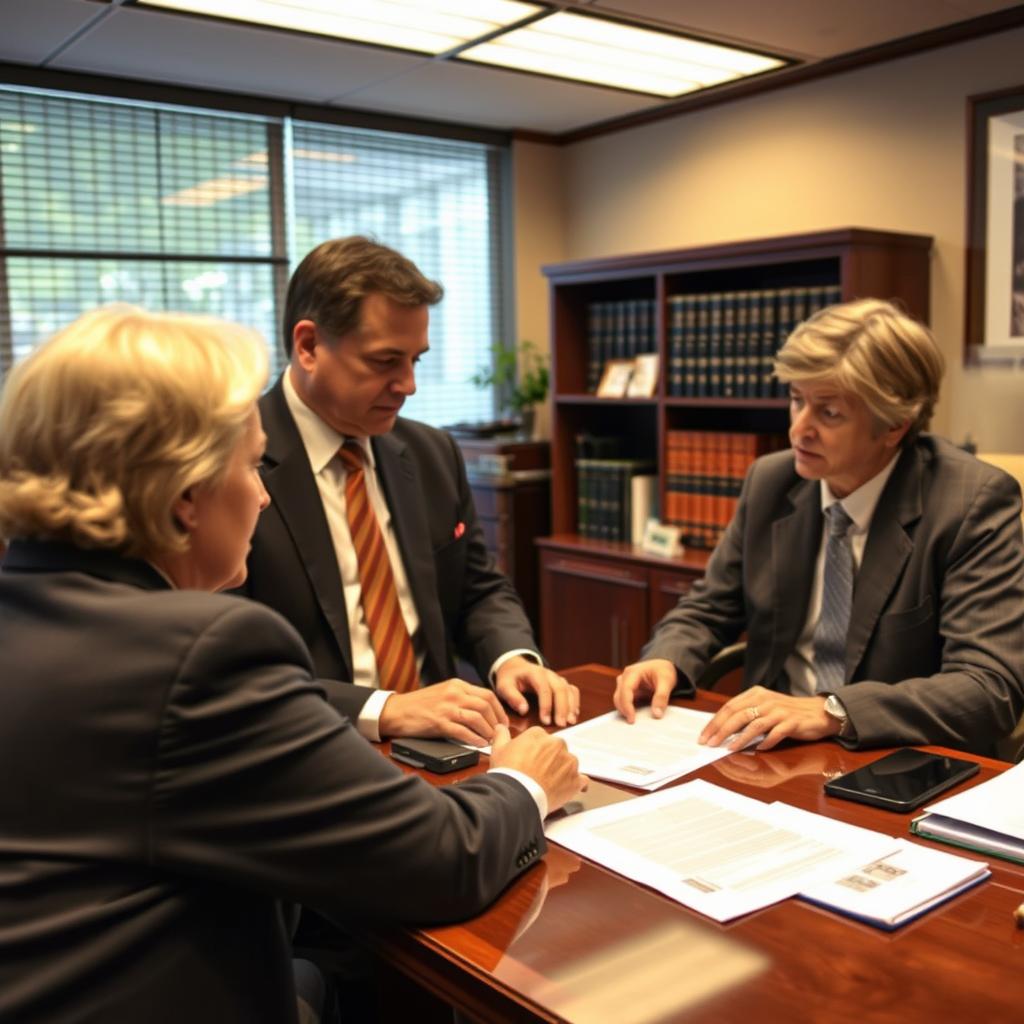
Guardianship Lawyer Wyoming County, NY
When a family member can no longer manage their own personal or financial affairs, the need for a legal guardianship can arise with little warning. In Wyoming County, New York, the Supreme Court hears Article 81 proceedings for adults whose decisional capacity is at issue, while the Family Court handles guardianship matters involving minors. Law Offices Of SRIS, P.C., founded in 1997, concentrates its practice in family law and appears regularly in the courts of Wyoming County. Mr. Sris, a former prosecutor who now practices as a family law attorney, works with the firm’s Of Counsel attorneys to guide clients through the guardianship process. Whether you are seeking to become a guardian of the person, a guardian of the property, or to contest a proposed appointment, experienced legal counsel helps ensure that the petition is properly prepared and that the individual’s rights are protected. To discuss a guardianship matter in Warsaw, Perry, Attica, Arcade, or elsewhere in Wyoming County, contact Law Offices Of SRIS, P.C. at (888) 437‑7747. Law Offices Of SRIS, P.C. – Advocacy Without Borders.
What Guardianship Means in Wyoming County, New York
In New York, adult guardianship is governed by Article 81 of the Mental Hygiene Law. When a person is alleged to be incapacitated—meaning they cannot adequately understand and appreciate the nature and consequences of their own health, personal, or financial decisions—the Supreme Court may appoint a guardian. A guardianship under Article 81 is individually tailored: the court decides which powers the guardian will have and for how long, based on the specific functional limitations of the person.
Wyoming County’s Supreme Court, located at 147 North Main Street in Warsaw, is the venue for all Article 81 adult guardianship petitions. The proceeding begins when a petitioner files a verified petition and obtains an order to show cause. A court evaluator—an independent professional appointed by the court—then meets with the alleged incapacitated person, interviews family members and caregivers, reviews records, and reports back to the court on the person’s functional abilities, the availability of less restrictive alternatives, and the suitability of the proposed guardian. The court’s determination is based on a functional assessment rather than a diagnosis, and the person is entitled to be present at the hearing and to be represented by counsel.
For minors who need a guardian—because their parents are deceased, unavailable, or unable to care for them—the Wyoming County Family Court has jurisdiction. Under the Family Court Act and the Surrogate’s Court Procedure Act, a guardian of the person may be appointed to make day-to-day decisions for a child, and in some cases a guardian of the property may be appointed to manage assets. The best interests of the child guide the court’s decision, and close relatives such as grandparents often seek appointment. Our attorneys appear in both the Supreme Court and the Family Court for guardianship matters and are familiar with the practices of the 8th Judicial District.
How Mr. Sris and the Firm’s Of Counsel Attorneys Handle Guardianship Cases
A guardianship proceeding is fact-intensive and personal. We work with the petitioner to gather the necessary documentation—medical records, financial statements, functional assessments, and witness affidavits—while respecting the dignity of the person who is the subject of the petition. In an Article 81 case, we coordinate with the court evaluator, respond to any objections, and present evidence at the hearing to establish that a guardianship is the least restrictive option available and that the proposed guardian is suitable.
In matters involving minors, we help family members file petitions for guardianship of the person or for standby guardianship, which can be arranged in advance by a parent with a progressive or terminal illness. When a guardianship is contested—whether by the alleged incapacitated person, by a family member with a competing petition, or by a state agency—our firm’s Of Counsel attorneys litigate the issues before the court. Throughout the process, we remain focused on achieving an outcome that serves the individual’s well‑being while following the procedural requirements of New York law. The timeline varies by case, and the court schedules hearings based on its own calendar and the urgency of the circumstances.
About Mr. Sris and the Firm’s Of Counsel Attorneys
Mr. Sris is the Owner and Founder of Law Offices Of SRIS, P.C. A former prosecutor, he founded the firm in 1997 and is admitted to practice in New York as well as in Virginia, Maryland, the District of Columbia, and New Jersey. His experience in trial work and his focus on family law give him a practical understanding of the procedural demands of guardianship proceedings and the sensitivity these cases require.
The firm’s Of Counsel attorneys bring extensive combined legal experience to guardianship matters. They are independent practitioners who work directly with the firm, and together they help clients navigate the courts of Wyoming County. When you contact our firm, you benefit from the collective knowledge of attorneys who handle Article 81 adult guardianships and minor‑guardianship petitions on a regular basis, whether the matter is uncontested or involves adversarial hearings.
Frequently Asked Questions
What is Article 81 guardianship in New York?
Article 81 of the New York Mental Hygiene Law allows a court to appoint a guardian for an adult who cannot manage their personal or property affairs because of functional limitations. The proceeding is brought in Supreme Court. The court designs a guardianship order that grants the guardian only those powers that the person actually needs, and the order is reviewed periodically. This is sometimes called a “guardianship for personal needs” or a “guardianship for property management,” depending on the type of authority granted.
How does the Wyoming County Supreme Court determine whether a guardian is needed?
The court appoints a court evaluator, an independent professional who investigates the person’s functional abilities and reports back to the court. The evaluator meets with the alleged incapacitated person, interviews relatives and caregivers, and reviews medical and financial records. The evaluator’s report helps the court decide whether a guardianship is the least restrictive alternative and, if so, what powers the guardian should have. The person has the right to attend the hearing and to be represented by a lawyer.
Can family members contest a guardianship petition in Wyoming County?
Yes, any interested party—including the alleged incapacitated person, other family members, or agencies—can object to a guardianship petition. The court holds a hearing where each side may present evidence and cross‑examine witnesses. If someone believes the proposed guardian is unsuitable or that a less restrictive option exists, they may raise those arguments. Our attorneys represent both petitioners and objectants in contested guardianship proceedings.
What is the difference between a guardian of the person and a guardian of the property?
A guardian of the person makes decisions about health care, living arrangements, and personal welfare, while a guardian of the property manages finances, assets, and legal obligations. In an Article 81 proceeding, the court may appoint one person to serve in both roles or may separate the appointments. For minor guardianships, the Family Court or Surrogate’s Court may appoint a guardian of the person only, or in some cases also a guardian of the property if the child owns significant assets.
Is legal representation required to file a guardianship petition in New York?
New York law does not require that you hire a lawyer to petition for guardianship, but the procedural rules are complex, and a lawyer helps protect the rights of the person who is the subject of the proceeding. The court appoints counsel for the alleged incapacitated person in an Article 81 case. For the petitioner, having experienced legal counsel can help avoid delays, ensure that the petition and supporting documents comply with statutory requirements, and handle any objections that arise.
How do I start an Article 81 guardianship proceeding in Wyoming County?
The proceeding is started by filing a verified petition and an order to show cause with the Wyoming County Supreme Court. The petition must describe the person’s alleged incapacity, the specific powers sought, and the proposed guardian’s qualifications. After filing, the court signs the order to show cause and sets a hearing date. The person who is the subject of the petition must be served with the papers and given clear notice of the hearing and their right to counsel. To discuss the specific steps for your situation, contact Law Offices Of SRIS, P.C. at (888) 437‑7747.
For official statutory text and court information, see New York Mental Hygiene Law Article 81 and the Wyoming County Supreme Court website.
Attorney advertising. Prior results do not guarantee a similar outcome.
Case results depend on a variety of factors unique to each case.
Results may vary.