
Note: This article is confirmed by Law Offices Of SRIS, P.C.
WRITTEN BY: Mr. Sris
Since 1997, Mr. Sris has led the firm, focusing on the most challenging criminal and family law cases. His background in accounting and information management aids in financial and technology-related cases. Involved in significant legislative changes in Virginia. My focus since founding the firm in 1997 has always been directed towards personally handling the most challenging and involved criminal and family law matters our clients face.
Postnuptial Agreement Lawyer King George VA
What is a postnuptial agreement
A postnuptial agreement serves as a marital contract that married couples can establish to define financial arrangements and property rights. These documents function similarly to prenuptial agreements but are created after the marriage has already taken place. The primary purpose involves clarifying how assets acquired during the marriage would be divided and addressing financial responsibilities that may arise.
Creating a valid postnuptial agreement requires following specific legal procedures. Both parties must provide full financial disclosure, showing all assets, debts, and income. The agreement should be entered voluntarily without pressure or coercion. Each person should have independent legal counsel to ensure their rights are protected. The document must be in writing and properly signed according to Virginia law requirements.
These agreements can address various financial matters. They may specify which assets remain separate property and which become marital property. Debt allocation between spouses can be defined, including responsibility for existing debts and those incurred during marriage. Spousal support terms can be established, though courts retain some discretion regarding fairness. Inheritance rights and estate planning considerations can also be included in the agreement.
Postnuptial agreements offer several benefits for married couples. They provide financial clarity and reduce uncertainty about asset division. The process encourages open communication about financial expectations and goals. These agreements can help protect family businesses or inherited assets. They may also address financial changes that occur during marriage, such as career advancements or inheritance receipts.
How to create a valid postnuptial agreement
The process of establishing a postnuptial agreement begins with initial discussions between spouses about their financial goals and concerns. These conversations should be open and honest, focusing on practical financial matters rather than emotional issues. Both parties need to understand why they want the agreement and what specific issues they hope to address through the document.
Financial disclosure represents the most important step in the process. Each spouse must provide complete information about all assets, including real estate, bank accounts, investments, retirement accounts, and business interests. Debts must be fully disclosed, including mortgages, loans, credit card balances, and other financial obligations. Income sources and earning potential should be documented. Failure to provide complete financial disclosure can render the entire agreement unenforceable.
Independent legal counsel is essential for both parties. Each spouse should hire their own attorney to review the agreement and provide advice about their rights. The attorneys can help negotiate terms that are fair to both parties. Legal counsel ensures that each person understands what they are signing and the implications of the agreement. This independent review helps prevent claims of coercion or lack of understanding later.
The agreement must be drafted carefully to address specific concerns while remaining fair. Terms should be clear and specific, avoiding vague language that could lead to different interpretations. The agreement should consider potential future changes, such as career advancements, inheritance, or business growth. Provisions should be reasonable and not create unfair hardship for either party. The document must comply with Virginia law regarding marital agreements.
Execution of the agreement follows specific legal requirements. Both parties must sign the document voluntarily without pressure. Signatures should be witnessed according to Virginia law requirements. The agreement should be dated and include acknowledgment of legal counsel. Copies should be provided to both spouses and their attorneys. Proper execution helps ensure the agreement will be recognized as valid if challenged in court.
Can I modify or challenge a postnuptial agreement
Modification of a postnuptial agreement requires agreement from both spouses. Changes typically occur when circumstances have significantly shifted since the original agreement was created. Common reasons for modification include substantial changes in financial situation, career advancements, inheritance receipts, or business growth. The modification process follows similar procedures as creating the original agreement, including financial disclosure and independent legal counsel. Both parties must voluntarily agree to the changes, and the modified agreement must be properly executed according to Virginia law.
Challenging a postnuptial agreement involves legal proceedings to have the document declared invalid or unenforceable. Grounds for challenge include lack of proper financial disclosure at the time of signing. If one spouse concealed assets, debts, or income, the agreement may be invalidated. Coercion or duress during the signing process can provide grounds for challenge. If one party was pressured or threatened into signing, courts may refuse to enforce the agreement.
Unconscionable terms represent another basis for challenging postnuptial agreements. If the agreement creates grossly unfair conditions that would leave one spouse destitute, courts may intervene. The timing of the agreement can affect its validity. Agreements signed during marital distress or shortly before separation may face greater scrutiny. Each party’s understanding of the agreement terms matters in challenge proceedings.
The legal process for challenging a postnuptial agreement begins with filing appropriate court documents. Evidence must be gathered to support the challenge grounds, including financial records, communications, and witness statements. Legal arguments must demonstrate why the agreement should not be enforced. The court will consider whether the agreement meets Virginia legal standards for marital contracts. The burden of proof typically rests with the party challenging the agreement.
Preventing challenges involves careful creation of the original agreement. Complete financial disclosure from both parties reduces the risk of later challenges based on hidden assets. Independent legal counsel for each spouse helps ensure both understand the agreement terms. Fair and reasonable terms that consider both parties’ interests make challenges less likely. Proper execution following all legal requirements strengthens the agreement’s enforceability.
Why hire legal help for postnuptial agreements
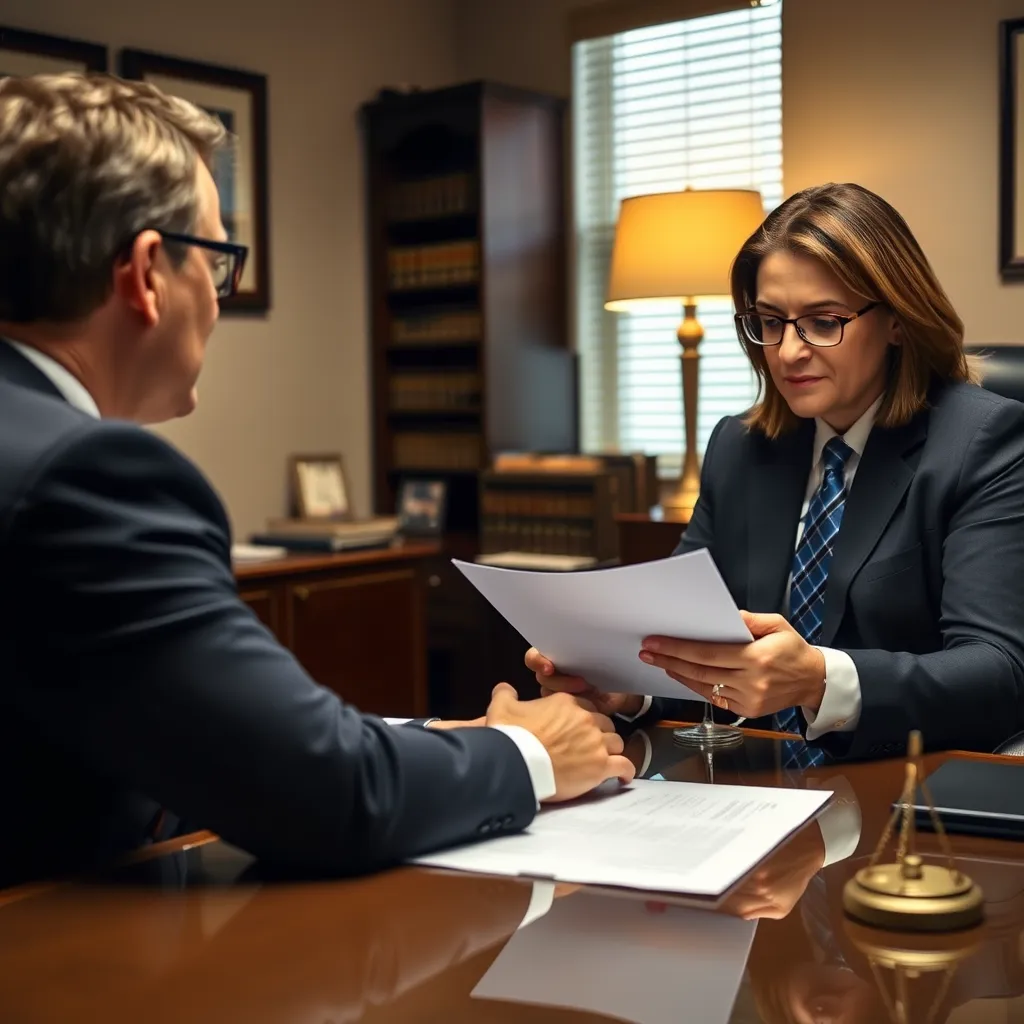
Professional legal assistance provides essential protection when creating postnuptial agreements. Attorneys understand the specific requirements under Virginia law for marital contracts. They ensure the agreement includes all necessary elements for enforceability. Legal guidance helps identify issues that might not be apparent to those without legal training. Attorneys can anticipate potential problems and address them in the agreement language.
The drafting process benefits significantly from legal experienced lawyer. Attorneys use precise language that clearly defines terms and avoids ambiguity. They ensure the agreement addresses all relevant financial matters, including assets, debts, income, and future considerations. Legal professionals help structure terms that are fair and reasonable to both parties. They can incorporate provisions that account for potential changes in circumstances over time.
Financial disclosure guidance represents a key area where legal help proves valuable. Attorneys can advise on what financial information must be disclosed and how to document it properly. They help ensure disclosure is complete and accurate, reducing the risk of later challenges. Legal counsel can review the other party’s financial disclosure for completeness and accuracy. This professional review helps prevent situations where inadequate disclosure undermines the agreement.
Negotiation assistance provides balanced outcomes for both spouses. Attorneys can help facilitate discussions about sensitive financial matters. They provide objective perspective on what terms are reasonable and fair. Legal professionals can suggest compromises that address both parties’ concerns. They help maintain focus on practical financial issues rather than emotional reactions.
Future protection comes from properly drafted agreements. Attorneys consider how the agreement will function in various scenarios, including separation, divorce, or death. They ensure the document coordinates with other legal arrangements like wills and estate plans. Legal professionals help clients understand their rights and obligations under the agreement. This understanding provides confidence that the agreement will serve its intended purpose if needed.
FAQ:
What is the difference between prenuptial and postnuptial agreements?
Prenuptial agreements are created before marriage, while postnuptial agreements are established after marriage. Both address financial matters and asset division.
When should couples consider a postnuptial agreement?
Consider one after significant financial changes, inheritance, business growth, or when addressing financial concerns that arise during marriage.
What makes a postnuptial agreement legally binding in Virginia?
Complete financial disclosure, independent legal counsel for both parties, voluntary signing, and fair terms that comply with Virginia law.
Can postnuptial agreements address child custody or support?
No, these agreements typically cannot determine child-related matters, which courts decide based on the child’s best interests at the time.
How much does a postnuptial agreement cost?
Costs vary based on challenge, but proper legal guidance helps create enforceable agreements that prevent costly disputes later.
What happens if we don’t have a postnuptial agreement?
Without an agreement, Virginia divorce laws determine asset division and spousal support based on statutory guidelines and court discretion.
Can we create our own postnuptial agreement without lawyers?
While possible, doing so risks creating unenforceable documents. Legal guidance ensures the agreement meets Virginia requirements.
How often should postnuptial agreements be reviewed or updated?
Review agreements after major financial changes, every few years, or when circumstances significantly shift from the original situation.
What financial information must be disclosed?
All assets, debts, income sources, and financial interests must be fully disclosed by both spouses for the agreement to be valid.
Can postnuptial agreements be used to protect family businesses?
Yes, these agreements can specify how business interests are treated and protected during marriage and potential separation.
Are postnuptial agreements only for wealthy couples?
No, couples at various income levels use them to clarify financial expectations and protect assets acquired during marriage.
What if one spouse refuses to sign a postnuptial agreement?
Postnuptial agreements require mutual consent. If one spouse refuses, no agreement can be created without their voluntary participation.
Past results do not predict future outcomes