
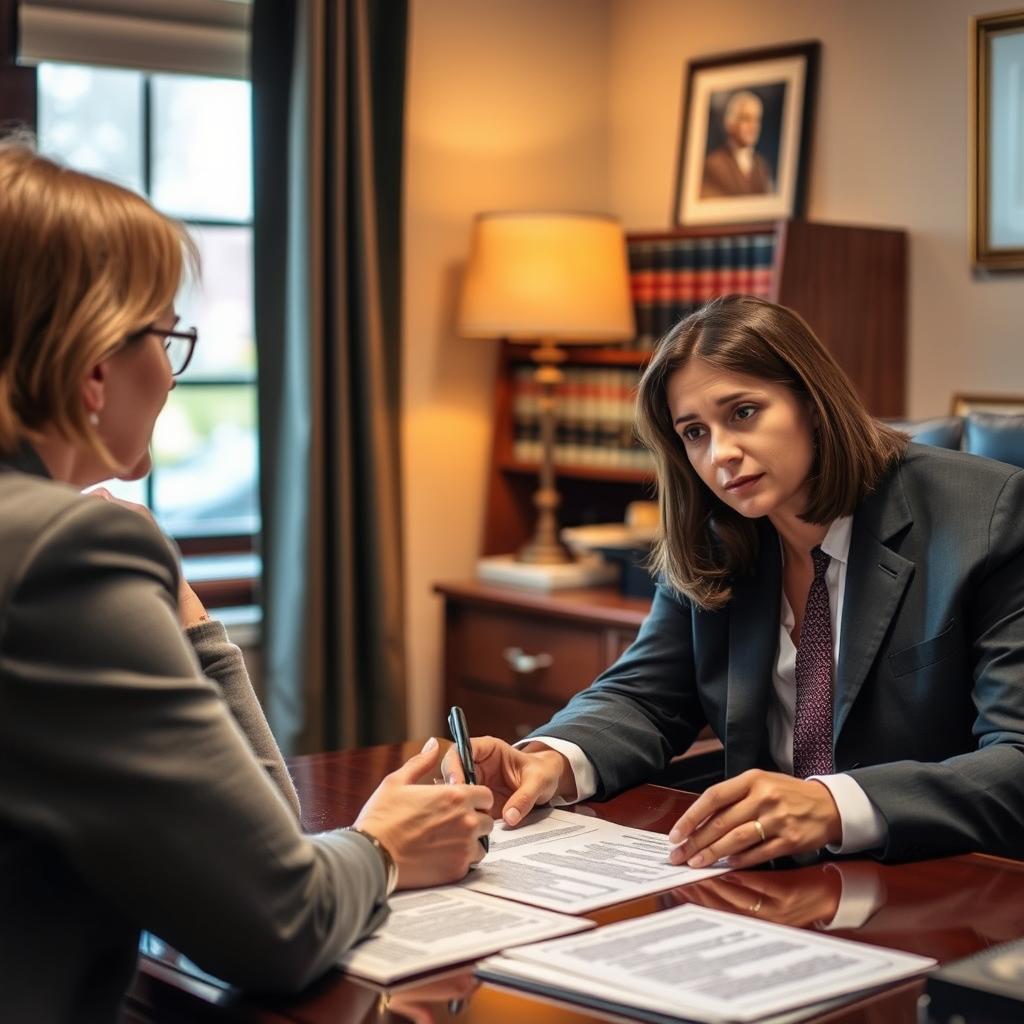
Visitation Lawyer Tompkins County, NY
Visitation disputes can be deeply personal and emotionally demanding. In Tompkins County, New York, the Family Court is the primary venue for establishing and enforcing parenting time when parents are unmarried, separated, or otherwise outside a divorce proceeding. The Supreme Court handles visitation as part of a broader divorce case. New York law applies a best‑interests‑of‑the‑child standard, requiring the court to weigh a range of factors—from the child’s needs and each parent’s ability to foster a loving relationship, to the stability of the home environment. Tompkins County’s geography, anchored by Ithaca and Cornell University, adds a distinctive layer: academic calendars, university employment, and the seasonal rhythms of the Finger Lakes region can all influence how a visitation schedule is shaped. Law Offices Of SRIS, P.C. provides experienced representation to parents, grandparents, and other caregivers seeking to secure meaningful time with a child. Mr. Sris, Owner and Founder of the firm, and his Of Counsel team bring extensive combined legal experience to visitation matters throughout the county. Call (888) 437‑7747 to request a consultation. Law Offices Of SRIS, P.C. – Advocacy Without Borders.
What Visitation Means in Tompkins County, NY
In New York, “visitation” refers to the right of a non‑custodial parent or other designated person to spend time with a child. The Tompkins County Family Court, located at 320 North Tioga Street, Ithaca, NY 14850, hears petitions for visitation when the parents were never married or when the existing order needs modification outside of a divorce file. The Tompkins County Supreme Court retains jurisdiction over visitation when it is part of a matrimonial action. Both courts apply the same core principle: the arrangement must serve the child’s best interests.
Tompkins County’s character—a mix of college town, rural farmland, and lake‑town communities—means that a workable visitation schedule often requires extra thought. A parent employed by Cornell University may have a calendar that differs from a school‑district calendar in Dryden or Trumansburg. Summers bring tourism and seasonal work; winters present travel challenges on rural roads. The court expects parents to cooperate in designing a plan that reflects the child’s reality, and when they cannot agree, the court will craft an order after considering the child’s age, health, relationships with extended family, each parent’s willingness to support the other’s relationship with the child, and any history of domestic violence or substance abuse. The firm’s attorneys understand how these local conditions interact with statutory factors, and they work to present a clear, practical picture to the court.
How Mr. Sris and His Of Counsel Handle Visitation Cases
Every visitation matter begins with a conversation about what the client hopes to achieve. Whether a parent is seeking to establish a first‑time visitation order, to enforce an existing schedule that the other parent is ignoring, or to modify an order because circumstances have changed, Mr. Sris and his Of Counsel team listen closely and then explain the procedural path available under New York law. Because no two family situations are identical, the approach is tailored. In many instances, the firm is able to negotiate an agreed‑upon schedule with the other parent or the other parent’s counsel, sparing the family the stress and expense of a court hearing.
When negotiation does not succeed, the firm is prepared to litigate. The attorneys file the necessary petitions in Tompkins County Family Court, serve the other party, and advocate at each appearance on the court’s calendar. They present evidence, question witnesses, and argue for a schedule that aligns with the child’s developmental, educational, and emotional needs. Throughout the process, the client is kept informed and given realistic, grounded advice about what the court is likely to order. The firm’s multi‑state presence also means that if a parent relocates to a neighboring state—such as Pennsylvania, New Jersey, or Maryland—Mr. Sris and his Of Counsel can often continue to assist or connect the client with counsel who understands the cross‑jurisdictional issues that arise.
About Mr. Sris and His Of Counsel Team
Mr. Sris founded the firm in 1997 and has served clients across Virginia, Maryland, the District of Columbia, New Jersey, and New York for the entirety of his career. A former prosecutor, he brings a comprehensive understanding of courtroom dynamics to every family law matter. His testimony before the Virginia House Courts of Justice Committee in support of 2019 HB 635 (chief patron Del. David Bulova) reflected his commitment to clarifying statutory language that affects families. His practical, direct approach helps clients navigate the complexities of visitation law without unnecessary anxiety.
Working alongside Mr. Sris is a dedicated Of Counsel team—attorneys who concentrate their practice in family law and who appear regularly in Tompkins County courts. These attorneys, engaged through the firm, bring extensive combined legal experience to visitation cases. Together, Mr. Sris and his Of Counsel provide a depth of perspective that few single‑lawyer offices can match. The firm’s reach across five jurisdictions also means that clients who relocate—or whose children move across state lines—can often receive guidance on the interplay between New York orders and the laws of a neighboring state, all while maintaining the continuity of the attorney‑client relationship.
Frequently Asked Questions
How does the Tompkins County Family Court decide visitation?
The court decides visitation by applying a best‑interests‑of‑the‑child analysis under New York Domestic Relations Law § 240 and the relevant case law. The judge examines the child’s age, health, and relationship with each parent; the stability of each home; each parent’s willingness to encourage a relationship with the other parent; any history of domestic violence; and, for an older child, the child’s own preference. The court may also consider the child’s school and extracurricular schedule, as well as the practical ability of each parent to exercise visitation given work and living arrangements. In Tompkins County, the court often looks at whether a proposed schedule works with local school calendars and the distance between households. The goal is a schedule that provides meaningful, consistent time with both parents.
Can I modify an existing visitation order in Tompkins County?
Yes, a parent can petition the Tompkins County Family Court to modify a visitation order when a substantial change in circumstances has occurred since the last order was entered. Common reasons for modification include a parent’s relocation, a change in the child’s needs or schedule, a new job with different hours, or concerns about the child’s safety. The parent seeking the change must file a modification petition and serve the other parent. The court will hold a hearing to determine whether the requested change serves the child’s best interests. The firm assists clients in gathering the evidence needed to demonstrate the change and in presenting a compelling case for a new schedule.
What is the difference between visitation and custody in New York?
Custody refers to the legal authority to make major decisions about a child’s life, while visitation concerns the actual time a child spends with a parent who does not have primary physical custody. In New York, custody can be sole or joint, and physical custody designates where the child lives most of the time. Visitation, sometimes called parenting time, is the schedule for when the other parent sees the child. A parent with visitation rights does not automatically have the power to make educational or medical decisions unless the custody order says otherwise. The firm represents parents in both custody and visitation proceedings, recognizing that the two issues are deeply intertwined and often arise in the same case.
Do grandparents have visitation rights in Tompkins County?
Yes, under certain circumstances, grandparents may petition the Tompkins County Family Court for visitation rights with their grandchildren. New York law permits a grandparent to seek visitation when a parent has died, when the child’s parents are living separately, or when the child has lived with the grandparent for an extended period. The court will grant visitation only if it finds that the grandparent has a loving, nurturing relationship with the child and that visitation is in the child’s best interests; it cannot override a fit parent’s decision without a compelling reason. Grandparents who are caring for a child informally may also have a stronger claim. The firm evaluates each grandparent’s unique situation and advises on the likelihood of success before any petition is filed.
Do I need a lawyer for a visitation case in Tompkins County?
You are not required to have a lawyer for a visitation case, but having experienced counsel can help protect your relationship with your child and ensure your rights are fully presented. Visitation proceedings can become contentious, and court rules regarding evidence and procedure are strict. A lawyer can help you articulate your parenting strengths, prepare witnesses and exhibits, cross‑examine the other party, and navigate the mediation or hearing process. Without counsel, you risk failing to raise important issues or inadvertently waiving rights. Mr. Sris and his Of Counsel team work with clients throughout Tompkins County to prepare their cases thoroughly and to advocate for a schedule that reflects the child’s needs and the client’s bond with the child.
For guidance on your specific situation, reach Law Offices Of SRIS, P.C. at (888) 437‑7747.
Official New York family law resources:
Tompkins County Supreme & Family Courts ·
New York Domestic Relations Law
Attorney advertising. Prior results do not guarantee a similar outcome. Case results depend on a variety of factors unique to each case. Results may vary.