
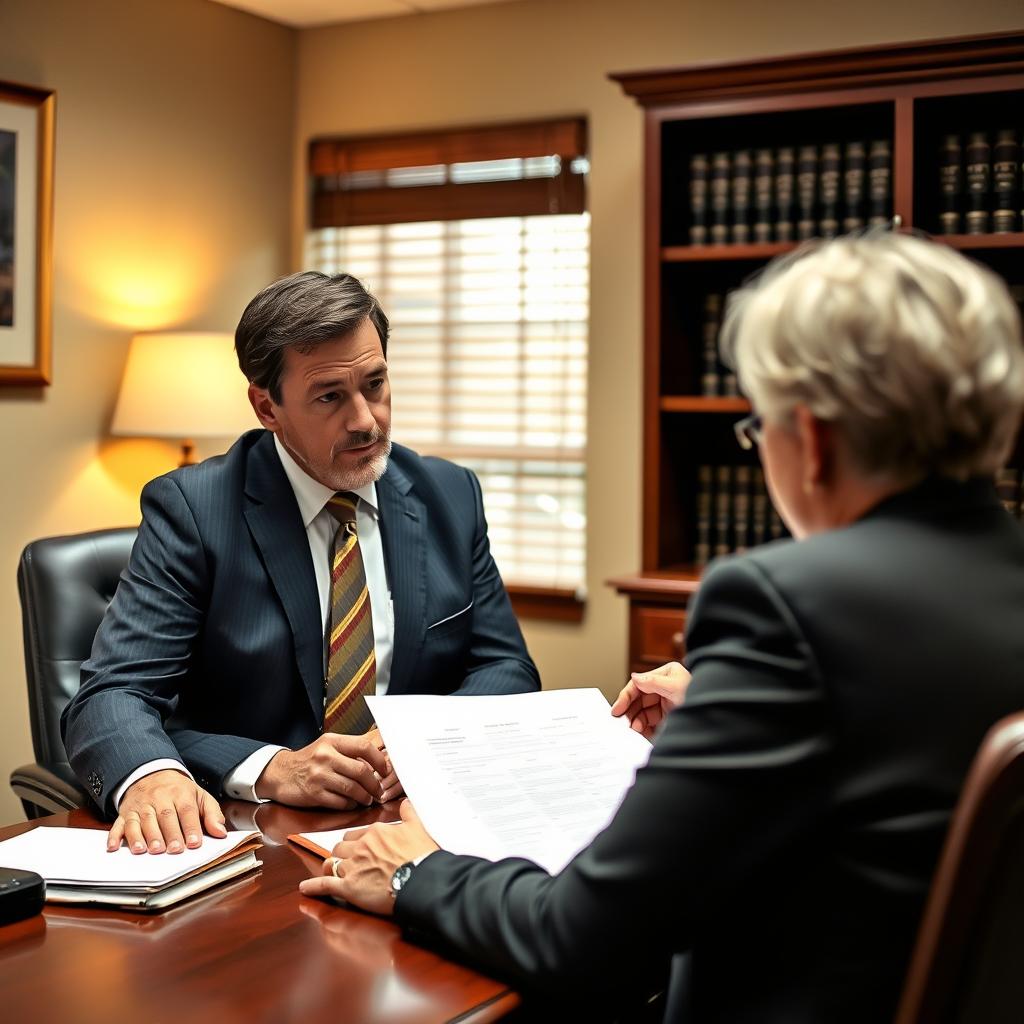
Wage Garnishment Child Support Lawyer Dinwiddie County, VA
You open your paycheck and see that child support arrears are being withheld by your employer. The deduction is unexpected or higher than you can afford, and you worry about covering your own household expenses. In Dinwiddie County, Virginia, the Division of Child Support Enforcement (DCSE) can issue income withholding orders that require employers to garnish wages for unpaid support. Whether the underlying support order is inaccurate, your circumstances have changed, or you simply need to understand your rights and options, legal guidance can make a critical difference. The Law Offices Of SRIS, P.C. assists parents throughout Dinwiddie County with wage garnishment child support matters. To request a consultation, call (888) 437-7747. Law Offices Of SRIS, P.C. — Advocacy Without Borders.
How a Lawyer Can Help with Wage Garnishment for Child Support
A wage garnishment for child support is an administrative or court-ordered income withholding that deducts money from your paycheck and sends it to the Virginia Department of Social Services or directly to the other parent. While DCSE has broad authority to enforce support obligations, both the obligor and the obligee may have valid legal positions to challenge or modify the withholding. An experienced family law attorney can review the underlying child support order, verify that the arrears balance is accurate, and pursue remedies available under Virginia law. If the wage garnishment is based on a miscalculation, a motion for an accounting or a petition to correct the record may be appropriate. When a substantial change in income, employment, or custody justifies a modification of the support amount, counsel can file the necessary pleadings in the Dinwiddie County Juvenile and Domestic Relations District Court or, if the case originated in a divorce, in the Dinwiddie County Circuit Court.
Virginia uses statutory guidelines (Va. Code § 20-108.2) to compute child support based on the combined gross income of the parents and the number of children. A garnishment that applies an incorrect income figure or fails to account for a change in the custody arrangement may overcharge the paying parent. On the other hand, a parent receiving support may need to enforce a withholding that has been delayed or improperly calculated. Mr. Sris and his Of Counsel team evaluate the specific facts and work toward a resolution that protects the parent’s financial stability while ensuring the child’s needs are met.
What to Expect in a Dinwiddie County Child Support Wage Garnishment Matter
Wage garnishment for child support is usually initiated by DCSE, but either parent can raise issues related to the withholding. The case proceeds in the Dinwiddie County Juvenile and Domestic Relations District Court for standalone support matters and, when child support is part of a divorce decree, in the Dinwiddie County Circuit Court. Both courts are located at the Dinwiddie Courthouse in Dinwiddie, Virginia, within the Eleventh Judicial District. The court schedules hearings on its calendar; the timeline depends on the complexity of the issues and the availability of the docket.
A lawyer can request a hearing to contest the garnishment, file a motion to modify the underlying support order, or seek a stay of the withholding while the court reviews the dispute. The parent opposing the garnishment should be prepared to present evidence of income, expenses, and any changed circumstances. The law does not require a lawyer, but the procedural rules and the interplay between DCSE administrative actions and court orders can be difficult to navigate without experienced counsel.
Potential Consequences of Unresolved Child Support Arrears
Virginia law treats unpaid child support as a continuing obligation. When a parent fails to pay court-ordered support, enforcement mechanisms beyond wage garnishment may be activated. DCSE can intercept tax refunds, suspend driver’s or professional licenses, deny a passport application, or report the delinquency to credit bureaus. A court may also find the non-paying parent in contempt, which can result in fines or incarceration. These outcomes are not automatic; a parent who proactively addresses the arrearage, whether by negotiating a payment plan or seeking a modification, may avoid more severe consequences.
The Division of Child Support Enforcement does not require a court hearing before issuing an income withholding order in many cases, but a parent has the right to challenge the order administratively and in court. Because the consequences of inaction can compound, it is advisable to consult an attorney as soon as a problem with the garnishment becomes apparent.
About Mr. Sris and His Of Counsel Team
Mr. Sris, Owner and Founder of Law Offices Of SRIS, P.C., has practiced law since 1997 and is admitted in Virginia, Maryland, the District of Columbia, New Jersey, and New York. He is a former prosecutor with experience in courtroom advocacy and a nuanced understanding of the judicial process. His practice concentrates in family law, including child support enforcement and modification, and he appears regularly in Virginia courts. Mr. Sris testified before the Virginia House Courts of Justice Committee in support of 2019 HB 635 (chief patron Del. David Bulova). His Of Counsel team, comprising experienced attorneys with backgrounds in family law, trial work, and law enforcement, collaborates on cases to provide comprehensive counsel. Together they have documented over 4,739 case results across all practice areas since 1997. Results may vary.
Frequently Asked Questions
What is wage garnishment for child support in Virginia?
Wage garnishment for child support is a legal process by which an employer withholds a portion of a parent’s earnings to satisfy delinquent child support. In Virginia, the Division of Child Support Enforcement (DCSE) or a court can issue an income withholding order that requires the employer to deduct the amount directly from the paycheck. The withheld sum is then forwarded to the appropriate state disbursement unit. The percentage of income that can be garnished is controlled by federal and state law; in most circumstances, it is higher than the limits for ordinary consumer debts because support obligations receive priority.
Can I stop or reduce a wage garnishment for child support?
You may be able to stop or reduce a wage garnishment by filing a motion to modify the child support order or by challenging the accuracy of the arrears calculation. If your income has decreased, the other parent’s financial situation has improved, or the custody arrangement has changed, the underlying support obligation may be adjusted. An attorney can help gather the necessary financial disclosures and present them to the Dinwiddie County court. In some cases, negotiating a payment plan with DCSE can also result in a modified withholding amount.
How does Virginia calculate child support arrears?
Virginia’s Division of Child Support Enforcement tracks payments and calculates arrears based on the difference between the amounts due under the court order and the amounts actually paid. Interest may accrue on unpaid balances, and DCSE maintains a record of the total owed. Mistakes in the calculation can occur, especially when multiple orders or complex payment histories are involved. An attorney can request an audit of the arrears account and, if necessary, petition the court to correct the balance.
What defenses are available against an income withholding order?
Arguments against an income withholding order may include mistake of fact, payment already made, lack of proper notice, or expiration of the obligation. For instance, if the child has emancipated or the support order was terminated, the garnishment should stop. Additionally, if the withholding creates an extreme financial hardship, the court may consider adjusting the payment amount. The procedural posture matters; a prompt response after receiving a notice of intent to garnish is often more effective than seeking to undo the withholding after it begins.
Do I need a lawyer for a child support wage garnishment issue in Dinwiddie County?
You are not required to have a lawyer, but the administrative and court procedures can be complex, and mistakes can result in continued over‑withholding or unnecessary contempt findings. An experienced family law attorney can determine whether you have grounds to challenge the garnishment, file the appropriate motions, and represent you at hearings. Because the consequences of unpaid support can be severe, obtaining legal advice early may help protect your income and avoid escalation.
Where are child support cases heard in Dinwiddie County, Virginia?
Child support enforcement and modification cases generally proceed in the Dinwiddie County Juvenile and Domestic Relations District Court, and if the matter is part of a divorce, in the Dinwiddie County Circuit Court. Both courts are located at the Dinwiddie Courthouse, Dinwiddie, Virginia 23841. The Juvenile and Domestic Relations District Court handles standalone support, custody, and protective orders, while the Circuit Court has jurisdiction over divorce-related financial issues, including spousal support and equitable distribution that may accompany child support orders.
What should I do if I receive a wage garnishment notice for back child support?
Carefully review the notice for accuracy, gather your payment records and any prior court orders, and contact an attorney before you assume the balance is correct. The notice will specify the amount claimed as arrears and the effective date of the withholding. If you believe the stated amount is wrong or your financial situation has changed, act quickly because the garnishment may begin within a timeframe set by the agency. Preserve all documents — pay stubs, court orders, and correspondence with DCSE — and avoid informal agreements without the advice of counsel.
Can my employer refuse to comply with a child support garnishment order?
No, an employer served with a valid income withholding order must honor it; failure to comply can expose the employer to penalties. Virginia law requires employers to begin deductions by the first pay period that occurs after 14 days from the mailing of the order, and to remit the withheld funds within seven business days. If your employer fails to deduct and forward the payments, DCSE or the court may take enforcement action directly against the employer. The employee cannot ask the employer to ignore a legal withholding order.
How can I contact a wage garnishment child support lawyer in Dinwiddie County?
To speak with an attorney about a child support wage garnishment, call (888) 437-7747 to schedule a consultation with Law Offices Of SRIS, P.C. The firm’s Richmond location serves clients throughout Dinwiddie County and appears regularly in both the Juvenile and Domestic Relations District Court and the Circuit Court. Consultations are by appointment, and phones are answered responsive.
For additional resources, explore these related practice area pages:
Family Law Lawyer Fairfax County, VA ·
Family Law Lawyer Prince William County, VA ·
Family Law Lawyer Manassas, VA ·
Family Law Lawyer Fairfax City, VA ·
Family Law Lawyer Falls Church, VA
Authoritative Virginia sources:
Virginia Code Title 20 (Domestic Relations) ·
Virginia Division of Child Support Enforcement ·
Virginia Judicial System
Law Offices Of SRIS, P.C.
7400 Beaufont Springs Drive, Suite 300, Room 395
Richmond, VA 23225
(888) 437-7747
Consultation by appointment. Phones answered during business hours.
Attorney advertising. Prior results do not guarantee a similar outcome.
Case results depend on a variety of factors unique to each case.